
ORTHOPEDICS + SPORTS MEDICINE
Non-Operative Spine & Neck Care in Sarasota, FL
Evaluation and non-surgical treatment for neck and back pain, from disc problems and nerve compression to stenosis.
Neck pain and back pain can make even the simplest daily activities difficult. Whether symptoms develop gradually from wear and tear or occur suddenly after an injury, spine conditions can affect mobility, comfort, and overall quality of life. At Sforzo | Dillingham | Stewart Orthopedics + Sports Medicine, our fellowship-trained spine specialists diagnose and treat a wide range of spine and neck conditions using personalized, evidence-based treatment plans.
Our goal is to help patients reduce pain, restore function, and return to the activities they enjoy. Treatment recommendations may include physical therapy, medication management, injections, or surgical intervention when appropriate.
Spine & Neck Pain Relief
Advanced Spine Expertise
Individualized Care Plans
Understanding Spine & Neck Anatomy
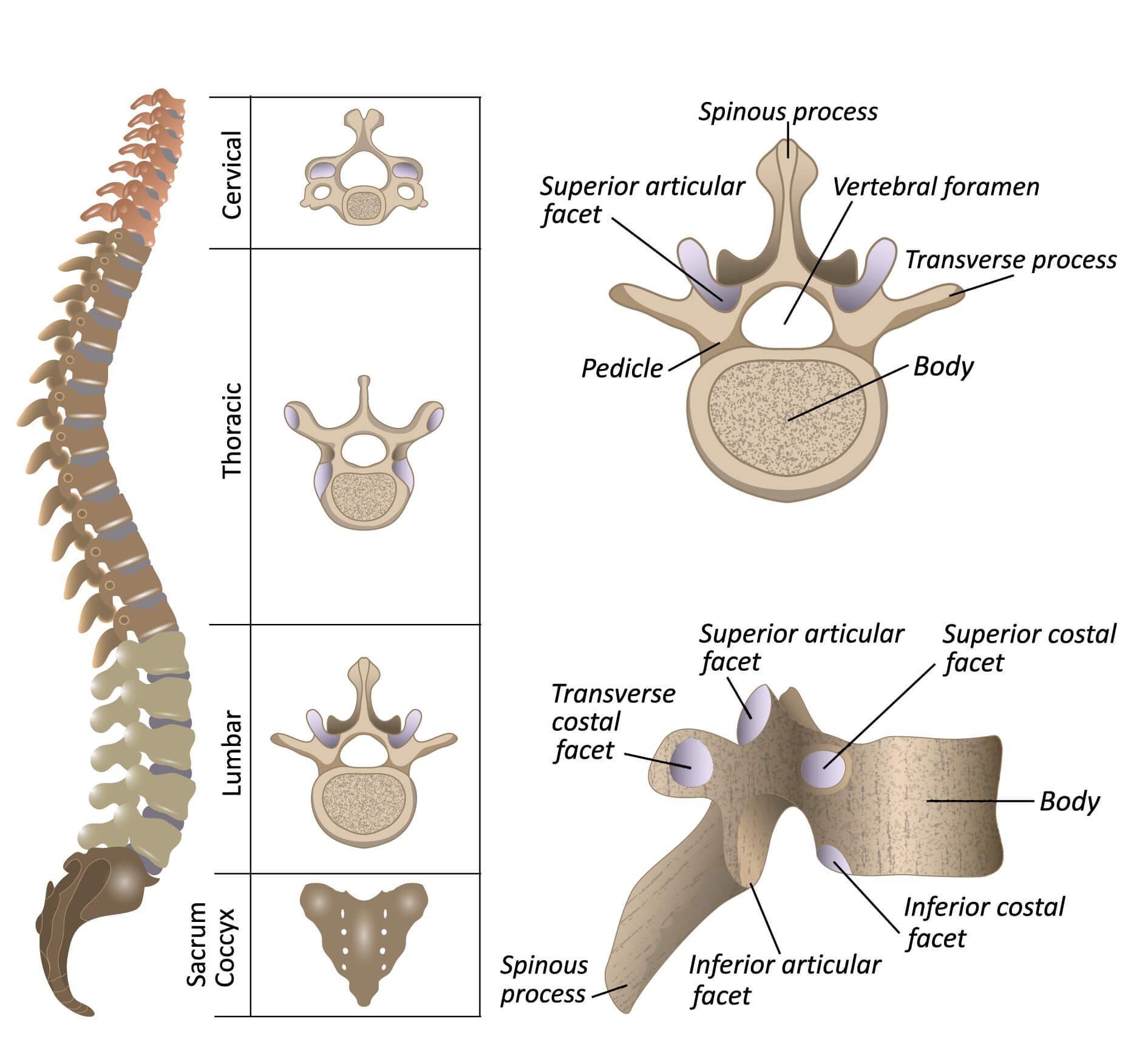
The spine, or backbone, is a vital structure that supports the body’s weight, protects the spinal cord, and enables movement and flexibility. It consists of 33 vertebrae divided into five regions: cervical (neck), thoracic (upper back), lumbar (lower back), sacral (pelvic region), and coccygeal (tailbone). Between the vertebrae are intervertebral discs, which act as shock absorbers and allow for movement. Ligaments and muscles around the spine provide stability, while the spinal cord, housed within the vertebral column, transmits nerve signals between the brain and the body.
The spine also plays a key role in posture, balance, and mobility, facilitating actions such as bending, twisting, and standing upright. Its structure is both strong and flexible, allowing it to support the body’s weight while enabling a range of movements. However, this complexity also makes the spine susceptible to a variety of conditions, such as herniated discs, spinal stenosis, and degenerative changes, which can affect mobility and cause discomfort.
Herniated Disc
Herniated Disc: Causes, Types, and Symptoms
A herniated disc occurs when the soft, gel-like center of a spinal disc pushes through a tear or weakness in its outer layer. This can place pressure on nearby nerves, leading to pain, numbness, tingling, or weakness in the arms or legs. Herniated discs can occur anywhere along the spine but are most commonly found in the cervical (neck) and lumbar (lower back) regions.
The severity of symptoms often depends on the location of the herniation and the degree of nerve compression. While some patients experience mild discomfort, others may develop significant pain and functional limitations that interfere with work, exercise, and daily activities.
Causes of Herniated Discs
Herniated discs can develop due to a variety of factors, including:
- Age-Related Degeneration: As spinal discs naturally lose hydration and flexibility over time, they become more vulnerable to tears and herniation.
- Repetitive Stress & Overuse: Frequent bending, lifting, twisting, or repetitive spinal movements can place excessive strain on the discs.
- Trauma & Injury: Falls, motor vehicle accidents, sports injuries, or sudden impacts can cause a disc to rupture or herniate.
- Improper Lifting Mechanics: Lifting heavy objects incorrectly can increase pressure within the spinal discs and contribute to injury.
- Genetic Predisposition: Some individuals may be more susceptible to disc degeneration and herniation due to inherited factors.
Types of Herniated Discs
- Cervical Herniated Disc: Occurs in the neck and may cause symptoms that radiate into the shoulder, arm, or hand.
- Thoracic Herniated Disc: Develops in the mid-back and may cause pain around the chest or torso, although it is less common.
- Lumbar Herniated Disc: Occurs in the lower back and frequently causes symptoms that travel into the buttock, leg, or foot.
- Contained Herniation: The disc bulges outward while the outer layer remains largely intact.
- Extruded or Sequestered Herniation: Disc material extends beyond the outer layer and may place greater pressure on surrounding nerves.
Symptoms of Herniated Discs
- Neck or Back Pain: Pain may be localized to the affected area and worsen with movement or prolonged positions.
- Radiating Arm or Leg Pain: Symptoms often travel along the path of the affected nerve into the extremities.
- Numbness or Tingling: Altered sensation may occur in the shoulders, arms, hands, legs, or feet.
- Muscle Weakness: Nerve compression can lead to decreased strength and reduced function.
- Difficulty with Daily Activities: Pain and weakness may interfere with walking, lifting, exercising, or performing routine tasks.
Herniated discs can significantly impact comfort and mobility, but treatment options such as physical therapy, activity modification, spinal injections, medication management, and advanced spine procedures may help relieve symptoms and improve function. In severe cases involving persistent pain or nerve compression, surgical treatment may be recommended.
Treatments
- Physical Therapy
- Spinal Injections
- Ultrasound-Guided
- Injections
- Platelet-Rich Plasma Therapy
- Orthobiologics
- Medication Management
- Minimally Invasive Spine Procedures
- Spine Surgery
Degenerative Disc Disease
Degenerative Disc Disease: Causes, Types, and Symptoms
Degenerative disc disease is a common condition that occurs when the spinal discs gradually lose hydration, elasticity, and height over time. These discs serve as cushions between the vertebrae, helping absorb shock and support movement. As discs begin to deteriorate, they may cause pain, stiffness, and reduced flexibility in the neck or back.
Although degenerative disc disease is often associated with aging, not everyone experiences symptoms. For some individuals, disc degeneration can lead to chronic discomfort, reduced mobility, and irritation of nearby spinal nerves that affects daily activities and overall quality of life.
Causes of Degenerative Disc Disease
Degenerative disc disease can develop due to several factors, including:
- Natural Aging: The most common cause, as spinal discs gradually lose water content and flexibility over time.
- Repetitive Stress & Overuse: Years of bending, lifting, twisting, and repetitive motion can accelerate disc wear.
- Previous Spine Injuries: Past trauma or injuries to the spine may increase the likelihood of premature degeneration.
- Genetic Factors: Some individuals are genetically predisposed to faster disc degeneration.
- Smoking & Lifestyle Factors: Smoking can reduce blood flow and nutrient delivery to spinal structures, contributing to disc deterioration.
Types of Degenerative Disc Disease
- Cervical Degenerative Disc Disease: Occurs in the neck and may lead to neck pain, stiffness, and symptoms that radiate into the shoulders or arms.
- Thoracic Degenerative Disc Disease: Develops in the mid-back and may cause localized pain or discomfort.
- Lumbar Degenerative Disc Disease: Occurs in the lower back and can contribute to back pain, leg pain, or nerve irritation.
- Single-Level Degeneration: Involves deterioration of one spinal disc.
- Multi-Level Degeneration: Affects multiple discs throughout the spine and may lead to more widespread symptoms.
Symptoms of Degenerative Disc Disease
- Persistent Neck or Back Pain: Ongoing discomfort that may worsen with certain movements or activities.
- Pain That Worsens With Activity: Symptoms often increase with bending, lifting, prolonged sitting, or standing.
- Stiffness & Reduced Flexibility: Limited range of motion in the neck or back.
- Intermittent Flare-Ups: Periods of increased pain followed by times of relative improvement.
- Radiating Pain: Irritation of nearby nerves may cause pain that extends into the arms or legs.
- Numbness or Tingling: Some patients experience altered sensation when nerve compression develops.
Degenerative disc disease can affect comfort, mobility, and daily function, but many patients find relief through conservative treatment. Physical therapy, activity modification, injections, and advanced regenerative therapies may help reduce symptoms and improve quality of life. When severe degeneration leads to persistent pain or instability, surgical treatment may be considered.
Treatments
- Physical Therapy
- Spinal Injections
- Ultrasound-Guided Injections
- Platelet-Rich Plasma Therapy
- Orthobiologics
- Medication Management
- Minimally Invasive Spine Procedures
- Spine Surgery
Spinal Stenosis
Spinal Stenosis: Causes, Types, and Symptoms
Spinal stenosis is a condition that occurs when the spaces within the spine narrow, placing pressure on the spinal cord or nearby nerve roots. This narrowing most commonly develops as part of the natural aging process but can also result from injuries, arthritis, or other spinal conditions. Spinal stenosis frequently affects the cervical (neck) and lumbar (lower back) regions of the spine.
As pressure on the nerves increases, patients may experience pain, numbness, weakness, or difficulty with balance and mobility. Symptoms often develop gradually and may worsen over time if left untreated.
Causes of Spinal Stenosis
Spinal stenosis can develop due to a variety of factors, including:
- Age-Related Degeneration: Wear and tear of the spine can lead to thickened ligaments, bone spurs, and narrowing of the spinal canal.
- Arthritis: Osteoarthritis and other forms of arthritis can contribute to joint enlargement and spinal narrowing.
- Herniated Discs: Bulging or herniated discs may extend into the spinal canal and place pressure on nearby nerves.
- Spinal Injuries: Fractures, trauma, or previous spinal injuries can alter spinal anatomy and reduce available space for nerves.
- Congenital Conditions: Some individuals are born with a naturally narrow spinal canal, increasing their risk of developing symptoms later in life.
Types of Spinal Stenosis
- Cervical Spinal Stenosis: Occurs in the neck and may cause symptoms affecting the shoulders, arms, hands, balance, and coordination.
- Lumbar Spinal Stenosis: Occurs in the lower back and commonly causes symptoms that radiate into the buttocks, legs, or feet.
- Central Canal Stenosis: Narrowing occurs within the main spinal canal, potentially affecting the spinal cord or multiple nerve roots.
- Foraminal Stenosis: Narrowing develops within the openings where spinal nerves exit the spine.
- Multilevel Stenosis: Stenosis affects multiple levels of the spine and may result in more widespread symptoms.
Symptoms of Spinal Stenosis
- Pain While Standing or Walking: Symptoms often worsen during prolonged standing or walking and improve with sitting or bending forward.
- Leg Weakness: Compression of spinal nerves can lead to weakness and reduced endurance in the legs.
- Numbness or Tingling: Patients may experience altered sensation in the arms, hands, legs, or feet.
- Balance Difficulties: Cervical spinal stenosis can affect coordination and increase the risk of falls.
- Neck or Back Pain: Localized discomfort may accompany nerve-related symptoms.
- Radiating Pain: Pain may travel into the arms or legs depending on the location of the nerve compression.
Spinal stenosis can significantly impact mobility and daily activities, but treatment options are available to help relieve symptoms and improve function. Conservative treatment often includes physical therapy, activity modification, medications, and spinal injections. When nerve compression becomes severe or symptoms continue to progress, minimally invasive procedures or surgical intervention may be recommended.
Treatments
- Physical Therapy
- Spinal Injections
- Ultrasound-Guided Injections
- Platelet-Rich Plasma Therapy
- Orthobiologics
- Medication Management
- Minimally Invasive Spine Procedures
- Spine Surgery
- Bracing and Supportive Devices
Sciatica
Sciatica: Causes, Types, and Symptoms
Sciatica is a condition caused by irritation, inflammation, or compression of the sciatic nerve, the largest nerve in the body. The sciatic nerve originates in the lower spine and travels through the hips, buttocks, and down each leg. When the nerve becomes compressed or irritated, it can cause pain, numbness, tingling, and weakness that radiates from the lower back into the leg.
Sciatica is not a diagnosis itself but rather a symptom of an underlying spinal condition. The severity of symptoms can vary from mild discomfort to significant pain that interferes with walking, sitting, working, or participating in daily activities.
Causes of Sciatica
Sciatica can develop due to several underlying conditions, including:
- Herniated Disc: One of the most common causes of sciatica, occurring when disc material places pressure on the sciatic nerve roots.
- Spinal Stenosis: Narrowing of the spinal canal can compress the nerves that contribute to the sciatic nerve.
- Degenerative Disc Disease: Age-related changes in the spine may lead to nerve irritation and inflammation.
- Spondylolisthesis: A vertebra that slips out of position can place pressure on nearby nerves.
- Trauma or Injury: Falls, sports injuries, or motor vehicle accidents can damage spinal structures and irritate the sciatic nerve.
- Piriformis Syndrome: Tightness or irritation of the piriformis muscle in the buttock can compress the sciatic nerve and cause similar symptoms.
Types of Sciatica
- Acute Sciatica: Symptoms develop suddenly and typically last several days to a few weeks.
- Chronic Sciatica: Symptoms persist for an extended period and may require ongoing treatment.
- Alternating Sciatica: Symptoms affect both legs at different times, often due to underlying spinal conditions.
- Bilateral Sciatica: A less common form that affects both legs simultaneously and may indicate more significant nerve compression.
- Lumbar Radiculopathy: Sciatic symptoms resulting from irritation or compression of a nerve root in the lower spine.
Symptoms of Sciatica
- Sharp or Burning Leg Pain: Pain typically radiates from the lower back or buttock into the leg and may extend to the foot.
- Numbness: Reduced sensation may occur in the thigh, calf, foot, or toes.
- Tingling Sensations: Patients often describe “pins and needles” sensations along the affected nerve pathway.
- Muscle Weakness: Weakness in the leg or foot can develop when nerve compression becomes more severe.
- Pain While Sitting: Prolonged sitting may worsen symptoms due to increased pressure on the affected nerve.
- Difficulty Walking: Pain, weakness, or numbness can make walking and other daily activities more challenging.
Sciatica can significantly affect comfort, mobility, and quality of life, but many patients find relief through conservative treatment. Physical therapy, activity modification, medications, spinal injections, and regenerative therapies may help reduce nerve irritation and improve function. In cases involving persistent nerve compression or progressive symptoms, surgical treatment may be recommended.
Treatments
- Physical Therapy
- Spinal Injections
- Ultrasound-Guided Injections
- Platelet-Rich Plasma Therapy
- Orthobiologics
- Medication Management
- Minimally Invasive Spine Procedures
- Spine Surgery
- Activity Modification and Rehabilitation Programs
Cervical Radiculopathy
Cervical Radiculopathy: Causes, Types, and Symptoms
Cervical radiculopathy occurs when a nerve root in the cervical spine (neck) becomes compressed, inflamed, or irritated. Because the nerves in the neck travel into the shoulders, arms, and hands, cervical radiculopathy often causes symptoms that extend beyond the neck itself. Patients may experience pain, numbness, tingling, or weakness that radiates into the upper extremities.
This condition is commonly referred to as a “pinched nerve” in the neck and can develop gradually due to age-related changes or suddenly following an injury. Early evaluation and treatment can help relieve symptoms and prevent worsening nerve dysfunction.
Causes of Cervical Radiculopathy
Cervical radiculopathy can develop from several underlying conditions, including:
- Herniated Disc: A cervical disc may bulge or rupture, placing pressure on a nearby nerve root.
- Degenerative Disc Disease: Age-related disc degeneration can reduce space around spinal nerves and contribute to nerve compression.
- Bone Spurs (Osteophytes): Arthritic changes in the cervical spine can lead to bone spur formation that narrows nerve passageways.
- Cervical Spinal Stenosis: Narrowing of the spinal canal or nerve openings can place pressure on cervical nerve roots.
- Trauma or Injury: Falls, sports injuries, or motor vehicle accidents may damage spinal structures and irritate nerves.
- Repetitive Stress: Repeated neck movements or poor posture over time can contribute to degenerative changes and nerve irritation.
Types of Cervical Radiculopathy
- C5 Radiculopathy: Compression of the C5 nerve root may cause shoulder pain, weakness, and difficulty lifting the arm.
- C6 Radiculopathy: Often causes pain, numbness, or tingling that extends into the thumb and forearm.
- C7 Radiculopathy: Commonly affects the triceps muscle and may cause symptoms that radiate into the middle finger.
- C8 Radiculopathy: Can lead to weakness and altered sensation in the hand, ring finger, and little finger.
- Acute Cervical Radiculopathy: Symptoms develop suddenly, often following a disc herniation or injury.
- Chronic Cervical Radiculopathy: Symptoms develop gradually and persist due to ongoing degenerative changes.
Symptoms of Cervical Radiculopathy
- Neck Pain: Localized pain and stiffness in the neck that may worsen with movement.
- Arm Pain: Radiating pain that travels from the neck into the shoulder, arm, forearm, or hand.
- Tingling in the Fingers: Pins-and-needles sensations may occur in specific fingers depending on the affected nerve.
- Numbness: Reduced sensation can develop in the shoulder, arm, hand, or fingers.
- Loss of Strength: Muscle weakness may affect lifting, gripping, pushing, or pulling activities.
- Reduced Coordination: Fine motor tasks such as buttoning clothing or writing may become more difficult.
- Pain with Certain Neck Movements: Looking up, turning the head, or prolonged positioning may worsen symptoms.
Cervical radiculopathy can interfere with work, exercise, sleep, and daily activities, but many patients improve with conservative treatment. Physical therapy, medications, spinal injections, and regenerative therapies may help relieve nerve irritation and restore function. When symptoms persist or significant nerve compression is present, surgical treatment may be recommended to relieve pressure on the affected nerve.
Treatments
- Physical Therapy
- Spinal Injections
- Ultrasound-Guided Injections
- Platelet-Rich Plasma Therapy
- Orthobiologics
- Medication Management
- Minimally Invasive Spine Procedures
- Spine Surgery
- Posture and Ergonomic Training
Spondylolisthesis
Spondylolisthesis: Causes, Types, and Symptoms
Spondylolisthesis is a spinal condition that occurs when one vertebra slips forward over the vertebra beneath it. This shift can alter the alignment of the spine, place pressure on nearby nerves, and lead to pain, stiffness, and reduced mobility. While spondylolisthesis most commonly affects the lumbar (lower back) spine, it can occur in other regions of the spine as well.
The severity of symptoms varies depending on the degree of vertebral slippage and whether nearby nerves are affected. Some individuals experience only mild discomfort, while others develop significant pain, weakness, or difficulty standing and walking.
Causes of Spondylolisthesis
Spondylolisthesis can develop due to several factors, including:
- Age-Related Degeneration: Wear and tear of the spinal discs and joints can cause instability that allows a vertebra to slip out of position.
- Stress Fractures: Repetitive spinal stress, particularly in athletes participating in gymnastics, football, or weightlifting, can lead to fractures that contribute to vertebral slippage.
- Congenital Spine Conditions: Some individuals are born with spinal abnormalities that increase the likelihood of developing spondylolisthesis.
- Traumatic Injury: Falls, sports injuries, and motor vehicle accidents can damage spinal structures and lead to instability.
- Arthritis: Degenerative changes within the spine can weaken joints and supporting structures over time.
Types of Spondylolisthesis
- Degenerative Spondylolisthesis: The most common form, caused by age-related wear and tear that leads to spinal instability.
- Isthmic Spondylolisthesis: Occurs when a stress fracture develops in a portion of the vertebra called the pars interarticularis.
- Congenital Spondylolisthesis: Results from spinal abnormalities present at birth.
- Traumatic Spondylolisthesis: Develops following a significant injury that damages the vertebrae or supporting structures.
- High-Grade Spondylolisthesis: A more severe form involving significant vertebral slippage that may cause substantial nerve compression and functional limitations.
Symptoms of Spondylolisthesis
- Lower Back Pain: Persistent pain that may worsen with standing, walking, bending, or physical activity.
- Tight Hamstrings: Muscle tightness in the back of the thighs is a common symptom, particularly in younger patients.
- Leg Pain: Compression of nearby nerves can cause pain that radiates into the buttocks, thighs, or legs.
- Numbness or Tingling: Altered sensation may occur in the legs or feet when nerves become irritated.
- Difficulty Standing or Walking: Symptoms often worsen with prolonged standing or walking and may improve with sitting.
- Muscle Weakness: Nerve compression can lead to weakness in the legs and reduced physical endurance.
- Changes in Posture: Some patients develop changes in spinal alignment or walking patterns due to discomfort and instability.
Spondylolisthesis can affect mobility, comfort, and quality of life, but many patients achieve significant improvement through conservative treatment. Physical therapy, activity modification, medications, injections, and regenerative therapies may help relieve symptoms and improve spinal stability. When severe slippage or nerve compression is present, surgical treatment may be recommended to restore alignment and reduce pressure on affected nerves.
Treatments
- Physical Therapy
- Spinal Injections
- Ultrasound-Guided Injections
- Platelet-Rich Plasma Therapy
- Orthobiologics
- Medication Management
- Minimally Invasive Spine Procedures
- Spine Surgery
- Activity Modification and Core Strengthening Programs
Scoliosis
Scoliosis: Causes, Types, and Symptoms
Scoliosis is a condition characterized by an abnormal sideways curvature of the spine. Rather than appearing straight when viewed from behind, the spine develops a “C” or “S” shaped curve that can affect posture, balance, and overall spinal alignment. While scoliosis most commonly develops during adolescence, it can also occur in adults due to degenerative changes within the spine.
The severity of scoliosis varies significantly from person to person. Some individuals experience only mild curvature with few symptoms, while others may develop chronic pain, stiffness, fatigue, and limitations in daily activities. Early diagnosis can help guide treatment and prevent progression of the spinal curve.
Causes of Scoliosis
Scoliosis can develop from a variety of factors, including:
- Idiopathic Causes: The most common form of scoliosis, particularly in adolescents, develops without a clearly identifiable cause.
- Degenerative Changes: Age-related wear and tear of the spinal discs and joints can cause adult-onset scoliosis.
- Congenital Spine Abnormalities: Some individuals are born with spinal irregularities that lead to abnormal curvature.
- Neuromuscular Conditions: Disorders affecting muscles and nerves, such as cerebral palsy or muscular dystrophy, may contribute to scoliosis development.
- Spinal Trauma or Injury: Previous fractures or injuries to the spine can alter spinal alignment and lead to curvature.
- Osteoporosis: Bone loss and vertebral compression fractures can contribute to spinal deformity in older adults.
Types of Scoliosis
- Idiopathic Scoliosis: The most common form, typically developing during childhood or adolescence without a known cause.
- Degenerative Scoliosis: Occurs in adults as spinal discs and joints wear down over time.
- Congenital Scoliosis: Results from spinal abnormalities that are present at birth.
- Neuromuscular Scoliosis: Develops as a result of underlying neurological or muscular conditions.
- Thoracic Scoliosis: Curvature primarily affects the middle portion of the spine.
- Lumbar Scoliosis: Curvature develops in the lower back and may contribute to back pain and mobility issues.
Symptoms of Scoliosis
- Uneven Shoulders or Hips: One shoulder or hip may appear higher than the other.
- Back Pain: Mild to moderate discomfort may develop, particularly in adults with degenerative scoliosis.
- Muscle Fatigue: Muscles surrounding the spine may become fatigued from compensating for abnormal alignment.
- Postural Changes: Changes in posture, including leaning to one side or uneven body positioning, may become noticeable.
- Prominent Shoulder Blade or Rib Cage: One side of the back or rib cage may appear more prominent than the other.
- Stiffness and Reduced Flexibility: Spinal curvature can limit movement and overall mobility.
- Balance Difficulties: More advanced curves may affect balance and walking mechanics.
Scoliosis can impact posture, comfort, and daily function, but many patients successfully manage symptoms through conservative treatment. Physical therapy, posture training, activity modification, and targeted strengthening programs may help improve spinal support and reduce discomfort. For patients with progressive curves, significant pain, or spinal imbalance, advanced interventions and surgical treatment may be considered.
Treatments
- Physical Therapy
- Postural Training
- Activity Modification
- Bracing
- Spinal Injections
- Ultrasound-Guided Injections
- Spine Surgery
- Scoliosis Monitoring and Evaluation
Spine Fractures and Traumatic Injuries
Spine Fractures and Traumatic Injuries: Causes, Types, and Symptoms
Spine fractures and traumatic spinal injuries occur when the bones, joints, ligaments, or other structures of the spine are damaged due to a significant force or impact. These injuries can range from minor fractures that heal with conservative treatment to more complex injuries that affect spinal stability or place pressure on the spinal cord and nerves.
Prompt evaluation is important following any traumatic spine injury. Early diagnosis allows for appropriate treatment and helps reduce the risk of long-term complications, chronic pain, neurological symptoms, or permanent loss of function.
Causes of Spine Fractures and Traumatic Injuries
Spine fractures and traumatic injuries can occur due to several factors, including:
- Falls: Falls from ladders, stairs, roofs, or other elevated surfaces are among the most common causes of spinal injuries.
- Motor Vehicle Accidents: Car, motorcycle, and truck accidents can expose the spine to significant forces that result in fractures or soft tissue injuries.
- Sports Injuries: Contact sports, high-impact activities, and recreational accidents can lead to traumatic spinal injuries.
- Workplace Accidents: Heavy lifting incidents, falls, and industrial accidents can damage spinal structures.
- Osteoporosis: Weakened bones may fracture more easily, even from relatively minor falls or trauma.
- Direct Impact Trauma: A forceful blow to the back or neck can result in fractures, ligament injuries, or spinal instability.
Types of Spine Fractures and Traumatic Injuries
- Compression Fracture: A vertebra collapses or compresses, often due to osteoporosis or trauma.
- Burst Fracture: A more severe fracture where the vertebra breaks into multiple fragments that may affect nearby nerves or the spinal cord.
- Flexion-Distraction Injury: Often caused by high-impact trauma, resulting in damage to the vertebrae and supporting ligaments.
- Fracture-Dislocation: A serious injury involving both a spinal fracture and displacement of the vertebrae.
- Whiplash Injury: A soft tissue injury commonly affecting the cervical spine after sudden acceleration and deceleration forces.
- Spinal Cord Injury: Damage to the spinal cord that may result in neurological symptoms, weakness, or loss of sensation.
Symptoms of Spine Fractures and Traumatic Injuries
- Severe Neck or Back Pain: Sudden pain following an injury is one of the most common symptoms.
- Difficulty Moving: Pain and instability may make movement difficult or uncomfortable.
- Numbness or Tingling: Nerve involvement can cause altered sensation in the arms, hands, legs, or feet.
- Weakness: Muscle weakness may develop when spinal nerves or the spinal cord are affected.
- Changes in Sensation: Patients may experience burning, tingling, or loss of sensation in affected areas.
- Visible Deformity: Severe injuries may cause abnormal spinal alignment or posture changes.
- Difficulty Walking or Maintaining Balance: Neurological involvement can affect coordination and mobility.
Spine fractures and traumatic injuries can significantly affect mobility, comfort, and overall function, but early treatment can help improve outcomes. Depending on the severity of the injury, treatment may include bracing, activity modification, physical therapy, pain management, or surgical stabilization. A comprehensive evaluation is essential to determine the extent of the injury and develop an individualized treatment plan.
Treatments
- Fracture Management
- Physical Therapy
- Bracing and Immobilization
- Medication Management
- Spinal Injections
- Minimally Invasive Spine Procedures
- Spine Surgery
- Rehabilitation Programs
- Neurological Evaluation and Monitoring
- Activity Modification and Recovery Planning
When Should You See a Spine Specialist?
While many episodes of neck pain or back pain improve with conservative treatment, certain symptoms should be evaluated by a spine specialist.
Consider scheduling an evaluation if you experience:
- Persistent neck or back pain
- Pain lasting longer than several weeks
- Radiating pain into the arms or legs
- Numbness or tingling
- Weakness in the extremities
- Difficulty walking or maintaining balance
- Symptoms following an injury or accident
Early diagnosis can help identify the underlying cause of symptoms and guide appropriate treatment recommendations.
Summary
The spine is a highly specialized structure that supports movement, protects the spinal cord, and allows communication between the brain and the body. Because it plays such a critical role in everyday function, injuries and degenerative conditions can significantly affect quality of life.
From herniated discs and spinal stenosis to sciatica and cervical radiculopathy, spine conditions can cause pain, weakness, numbness, and reduced mobility. Understanding these conditions is an important first step toward finding effective treatment.