
ORTHOPEDICS + SPORTS MEDICINE
Orthopedic Foot & Ankle Specialists
Care for the foot and ankle, from sprains and tendon injuries to arthritis and deformity correction.
Your feet and ankles serve as the foundation of movement, supporting your body with every step, jump, pivot, and change in direction. Because they absorb significant forces throughout the day, foot and ankle injuries can affect mobility, balance, and overall quality of life.
At Sforzo | Dillingham | Stewart Orthopedics + Sports Medicine, our orthopedic specialists provide comprehensive care for a wide range of foot and ankle conditions. Whether symptoms result from sports injuries, overuse, arthritis, deformities, or traumatic injuries, our goal is to help patients reduce pain, restore function, and return to the activities they enjoy.
Foot & Ankle Pain Relief
Sports and Trauma Experience
Individualized Care Plans
Understanding Foot & Ankle Anatomy
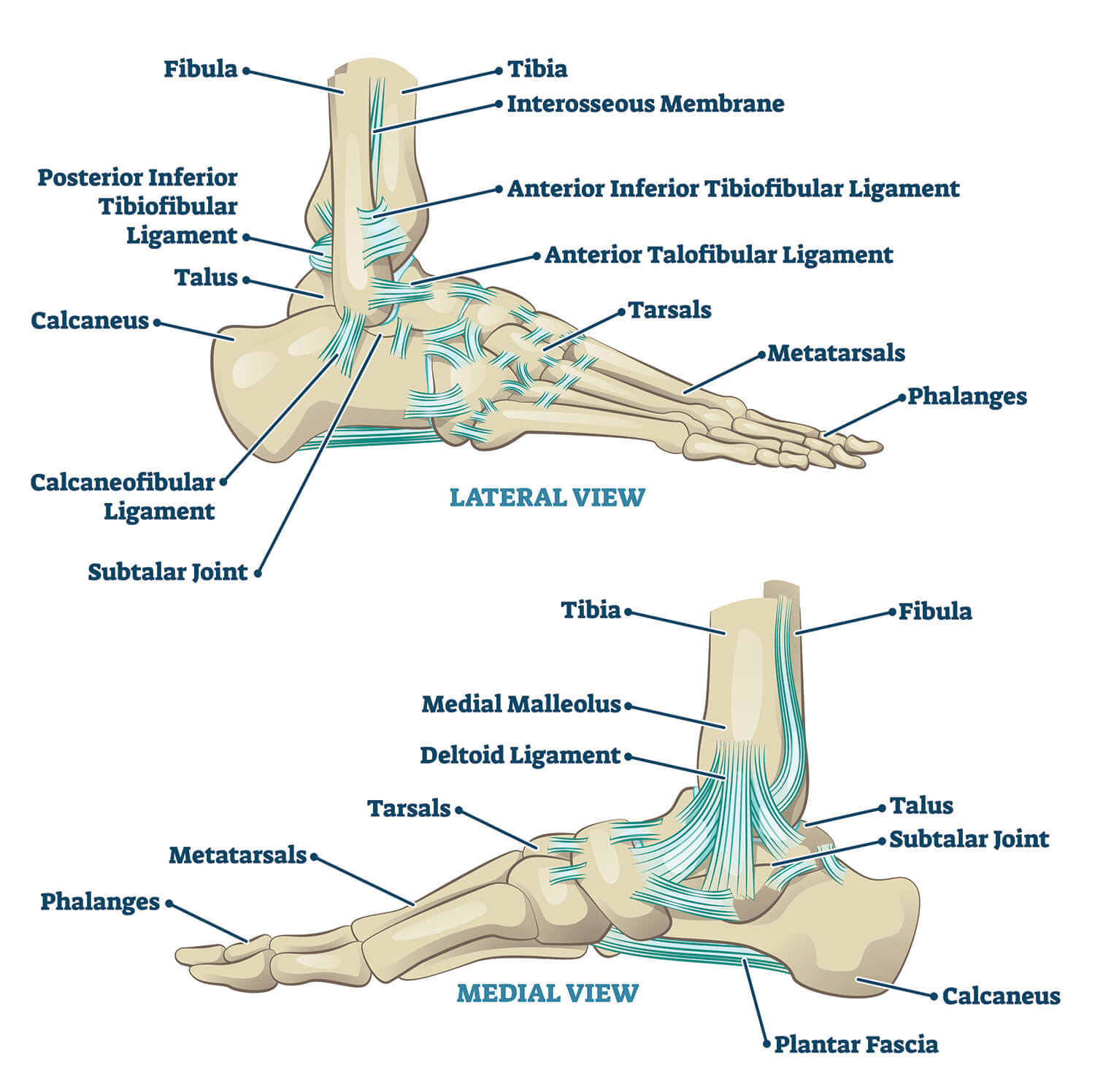
The foot and ankle are complex structures that provide support, balance, and mobility. The ankle joint connects the foot to the lower leg and is formed by the tibia and fibula (shin bones) meeting the talus (foot bone). The joint allows for up-and-down movement of the foot, while the surrounding ligaments and tendons provide stability and enable side-to-side motion. The foot itself consists of 26 bones, including the tarsals, metatarsals, and phalanges, as well as muscles and tendons that allow for walking, running, and jumping.
The arches of the foot, including the medial, lateral, and transverse arches, help absorb shock and distribute weight during movement. Muscles such as the calf muscles and the intrinsic foot muscles contribute to both movement and support. This combination of bones, ligaments, tendons, and muscles makes the foot and ankle incredibly versatile, enabling complex motions like walking, running, and balancing. The intricate anatomy also makes the foot and ankle prone to a variety of conditions, including sprains, fractures, tendinitis, and deformities such as flat feet.
Arthritis
Ankle Arthritis: Causes, Types, and Symptoms
Ankle arthritis occurs when the cartilage within the ankle joint begins to wear down or becomes damaged. Healthy cartilage allows the bones of the ankle to glide smoothly during movement, but as the cartilage deteriorates, pain, stiffness, swelling, and reduced mobility can develop. Unlike arthritis in the knee or hip, ankle arthritis is often associated with previous injuries, though age-related degeneration and inflammatory conditions can also contribute.
As ankle arthritis progresses, patients may find it increasingly difficult to walk, exercise, climb stairs, or participate in activities they once enjoyed. Early diagnosis and treatment can help manage symptoms and preserve joint function.
Causes of Ankle Arthritis
Ankle arthritis can develop due to several factors, including:
- Osteoarthritis: Age-related wear and tear can gradually break down cartilage within the ankle joint.
- Post-Traumatic Arthritis: Previous ankle fractures, sprains, or injuries can accelerate cartilage degeneration.
- Rheumatoid Arthritis: An autoimmune condition that causes inflammation and joint damage.
- Inflammatory Arthritis: Conditions such as psoriatic arthritis or gout may contribute to joint deterioration.
- Joint Instability: Chronic ankle instability can increase abnormal wear on the joint surfaces.
Types of Ankle Arthritis
- Osteoarthritis: Degenerative joint disease resulting from gradual cartilage wear over time.
- Post-Traumatic Arthritis: Arthritis that develops following a previous ankle injury.
- Rheumatoid Arthritis: An autoimmune disease causing inflammation and joint destruction.
- Inflammatory Arthritis: Includes conditions that create chronic inflammation within the ankle joint.
Symptoms of Ankle Arthritis
- Joint Pain: Pain may worsen with walking, standing, or physical activity.
- Stiffness: Reduced flexibility and difficulty moving the ankle.
- Swelling: Inflammation around the joint may lead to visible swelling.
- Difficulty Walking: Pain and reduced motion can affect gait and mobility.
- Reduced Range of Motion: Patients may struggle to move the ankle through its normal range.
- Grinding or Clicking Sensations: Damaged cartilage can cause abnormal joint mechanics.
Ankle arthritis can significantly affect mobility and quality of life, but many patients find relief through conservative treatment. Physical therapy, bracing, injections, and regenerative therapies may help reduce pain and improve function. In advanced cases, surgical procedures may be recommended to restore stability and alleviate symptoms.
Treatments
- Physical Therapy
- Activity Modification
- Ankle Bracing
- Custom Orthotics
- Ultrasound-Guided Injections
- Steroid Injections
- Platelet-Rich Plasma Therapy
- Orthobiologics
- Ankle Arthroscopy
- Ankle Replacement Surgery
- Ankle Fusion Surgery
Ankle Sprains
Ankle Sprains: Causes, Types, and Symptoms
Ankle sprains are among the most common orthopedic injuries and occur when the ligaments that support the ankle are stretched, partially torn, or completely torn. These injuries often happen when the foot twists, rolls, or turns awkwardly, causing excessive stress on the ligaments. Ankle sprains frequently occur during sports activities but can also happen during everyday activities such as walking on uneven surfaces or missing a step.
While many ankle sprains heal with conservative treatment, more severe injuries can lead to chronic instability, recurrent sprains, and long-term ankle dysfunction if left untreated.
Causes of Ankle Sprains
Ankle sprains can occur due to several factors, including:
- Twisting Injuries: Sudden rolling or turning of the ankle can overstretch the supporting ligaments.
- Sports Activities: Running, jumping, cutting, and pivoting movements commonly contribute to ankle sprains.
- Uneven Surfaces: Walking or running on uneven terrain increases the risk of injury.
- Previous Ankle Injuries: Individuals with prior ankle sprains may be more susceptible to future injuries.
- Poor Footwear: Shoes that provide inadequate support may increase ankle instability.
Types of Ankle Sprains
- Lateral Ankle Sprain: The most common type, affecting the ligaments on the outside of the ankle.
- Medial Ankle Sprain: Involves the ligaments on the inside of the ankle and is less common.
- High Ankle Sprain: Occurs when the ligaments connecting the tibia and fibula are injured.
- Grade I Sprain: Mild stretching of the ligaments with minimal instability.
- Grade II Sprain: Partial tearing of the ligaments with moderate pain and swelling.
- Grade III Sprain: Complete ligament tear resulting in significant instability.
Symptoms of Ankle Sprains
- Pain and Tenderness: Pain is typically felt around the injured ligaments.
- Swelling: Inflammation develops around the ankle following injury.
- Bruising: Discoloration may appear as damaged blood vessels heal.
- Instability: A sensation that the ankle may give way during movement.
- Difficulty Bearing Weight: Walking or standing may be painful after injury.
- Reduced Range of Motion: Swelling and pain can limit ankle movement.
Ankle sprains can significantly affect mobility and athletic performance, but many patients recover successfully with conservative treatment. Early evaluation, rehabilitation, and strengthening programs can help restore stability and reduce the risk of future injuries.
Treatments
- Physical Therapy
- Activity Modification
- Ankle Bracing
- Custom Orthotics
- Ultrasound-Guided Injections
- Platelet-Rich Plasma Therapy
- Orthobiologics
- Ligament Reconstruction Surgery
- Rehabilitation Programs
Achilles Tendinitis
Achilles Tendinitis: Causes, Types, and Symptoms
Achilles tendinitis is a condition involving inflammation or degeneration of the Achilles tendon, the large tendon that connects the calf muscles to the heel bone. The Achilles tendon plays an essential role in walking, running, jumping, and pushing off the foot during movement. Repetitive stress can lead to irritation and damage within the tendon, causing pain and reduced function.
Achilles tendinitis is commonly seen in runners, athletes, and active individuals, but it can affect anyone who suddenly increases activity levels or places repetitive strain on the tendon.
Causes of Achilles Tendinitis
Achilles tendinitis can develop due to several factors, including:
- Overuse and Repetitive Activity: Running, jumping, and other repetitive activities can overload the tendon.
- Sudden Increases in Activity: Rapid increases in exercise intensity or duration can contribute to injury.
- Tight Calf Muscles: Limited flexibility can place additional strain on the Achilles tendon.
- Improper Footwear: Poorly fitting or unsupportive shoes may increase stress on the tendon.
- Age-Related Degeneration: Tendons naturally become less flexible and more susceptible to injury over time.
Types of Achilles Tendinitis
- Non-Insertional Achilles Tendinitis: Affects the middle portion of the tendon and is more common in younger, active individuals.
- Insertional Achilles Tendinitis: Occurs where the tendon attaches to the heel bone.
- Acute Achilles Tendinitis: Symptoms develop suddenly following increased activity.
- Chronic Achilles Tendinitis: Long-standing tendon degeneration caused by repetitive stress.
Symptoms of Achilles Tendinitis
- Pain Along the Back of the Ankle: Pain is commonly felt along the tendon during activity.
- Stiffness, Especially in the Morning: Symptoms often improve with gentle movement.
- Swelling Near the Tendon: Thickening or swelling may develop along the tendon.
- Discomfort During Activity: Running, jumping, and walking uphill may worsen symptoms.
- Tenderness: The tendon may be painful to touch.
- Reduced Athletic Performance: Pain and stiffness can limit activity levels.
Achilles tendinitis can interfere with sports and daily activities, but early treatment often leads to successful recovery. Physical therapy, stretching programs, activity modification, and regenerative treatments may help reduce pain and promote healing.
Treatments
- Physical Therapy
- Activity Modification
- Custom Orthotics
- Walking Boot Immobilization
- Ultrasound-Guided Injections
- Platelet-Rich Plasma Therapy
- Orthobiologics
- Achilles Tendon Repair Surgery
- Rehabilitation Programs
Plantar Fasciitis
Plantar Fasciitis: Causes, Types, and Symptoms
Plantar fasciitis is one of the most common causes of heel pain and occurs when the plantar fascia, a thick band of tissue that runs along the bottom of the foot, becomes irritated or inflamed. This tissue helps support the arch of the foot and absorbs stress during walking and running. Repetitive strain can cause small tears and inflammation within the fascia.
Plantar fasciitis often develops gradually and can make standing, walking, and exercise uncomfortable. Early treatment can help relieve symptoms and prevent chronic pain.
Causes of Plantar Fasciitis
Plantar fasciitis can develop due to several factors, including:
- Repetitive Stress: Running, prolonged standing, and high-impact activities can strain the plantar fascia.
- Flat Feet or High Arches: Abnormal foot mechanics may increase tension on the fascia.
- Tight Calf Muscles: Reduced flexibility can place additional stress on the heel and arch.
- Excess Weight: Increased body weight places greater pressure on the foot structures.
- Improper Footwear: Shoes lacking arch support may contribute to symptoms.
Types of Plantar Fasciitis
- Acute Plantar Fasciitis: Symptoms develop suddenly after increased activity.
- Chronic Plantar Fasciitis: Long-standing inflammation and degeneration of the plantar fascia.
Symptoms of Plantar Fasciitis
- Sharp Heel Pain: Pain is typically felt on the bottom of the heel.
- Pain with the First Steps in the Morning: One of the most recognizable symptoms.
- Discomfort After Prolonged Standing: Symptoms may worsen after extended periods on the feet.
- Increased Pain After Activity: Pain often intensifies following exercise.
- Arch Pain: Discomfort may extend into the arch of the foot.
- Tenderness Near the Heel: Pressure on the affected area may reproduce symptoms.
Plantar fasciitis can significantly impact daily comfort and mobility, but many patients improve with conservative treatment. Stretching, physical therapy, orthotics, and regenerative treatments may help reduce pain and restore function.
Treatments
- Physical Therapy
- Stretching Programs
- Custom Orthotics
- Night Splints
- Activity Modification
- Ultrasound-Guided Injections
- Platelet-Rich Plasma Therapy
- Orthobiologics
- Plantar Fascia Release Surgery
Flatfoot Deformity
Flatfoot Deformity: Causes, Types, and Symptoms
Flatfoot deformity occurs when the arch of the foot collapses or fails to develop properly, causing the foot to appear flat when standing. While some individuals with flat feet experience no symptoms, others may develop pain, fatigue, instability, and difficulty with prolonged standing or walking. The condition can affect one or both feet and may worsen over time without treatment.
Flatfoot deformity can occur in children or adults and may result from tendon dysfunction, injury, arthritis, or inherited foot structure abnormalities.
Causes of Flatfoot Deformity
Flatfoot deformity can develop due to several factors, including:
- Posterior Tibial Tendon Dysfunction: Damage to the tendon that supports the arch is one of the most common causes in adults.
- Genetics: Some individuals are born with naturally low or absent arches.
- Arthritis: Degenerative or inflammatory arthritis can affect the joints that support the arch.
- Trauma or Injury: Fractures, ligament injuries, or tendon tears may contribute to arch collapse.
- Obesity: Increased body weight can place additional stress on the foot and arch structures.
Types of Flatfoot Deformity
- Flexible Flatfoot: The arch is visible when not bearing weight but collapses when standing.
- Rigid Flatfoot: The arch remains flattened regardless of weight-bearing status.
- Adult-Acquired Flatfoot: Develops later in life, often due to tendon dysfunction or arthritis.
- Congenital Flatfoot: Present from birth due to structural abnormalities.
Symptoms of Flatfoot Deformity
- Foot Fatigue: Tiredness or aching in the feet after activity.
- Arch Pain: Discomfort along the inside of the foot and arch.
- Ankle Discomfort: Pain may develop around the inner ankle.
- Difficulty Standing for Extended Periods: Symptoms often worsen with prolonged activity.
- Changes in Walking Mechanics: Patients may notice altered gait patterns.
- Swelling Along the Inside of the Foot or Ankle: Tendon irritation may cause localized swelling.
Flatfoot deformity can affect balance, mobility, and overall foot function, but many patients improve with conservative treatment. Orthotics, physical therapy, bracing, and strengthening programs may help support the arch and reduce symptoms. In more advanced cases, surgical reconstruction may be recommended.
Treatments
- Physical Therapy
- Custom Orthotics
- Activity Modification
- Ankle Bracing
- Supportive Footwear Recommendations
- Ultrasound-Guided Injections
- Orthobiologics
- Flatfoot Reconstruction Surgery
Bunions
Bunions: Causes, Types, and Symptoms
A bunion is a bony prominence that develops at the base of the big toe as the toe gradually shifts out of alignment. Over time, this deformity can become more pronounced, causing pain, swelling, difficulty wearing shoes, and changes in walking mechanics. Bunions are a progressive condition and may worsen if left untreated.
Although bunions are often associated with genetics, certain footwear choices and underlying foot conditions can contribute to their development.
Causes of Bunions
Bunions can develop due to several factors, including:
- Genetics: Inherited foot structure is one of the most common contributing factors.
- Abnormal Foot Mechanics: Structural abnormalities may place excessive pressure on the big toe joint.
- Improper Footwear: Narrow or tight shoes can aggravate existing deformities.
- Arthritis: Certain forms of arthritis may contribute to bunion formation.
- Ligament Laxity: Loose ligaments can increase instability around the toe joint.
Types of Bunions
- Mild Bunion: Early deformity with minimal symptoms.
- Moderate Bunion: Increased prominence and discomfort during activity.
- Severe Bunion: Significant toe deviation affecting daily function and shoe wear.
- Juvenile Bunion: Develops in children or adolescents.
- Tailor’s Bunion (Bunionette): A bunion that develops at the base of the little toe.
Symptoms of Bunions
- Pain Around the Joint: Pain is commonly felt at the base of the big toe.
- Swelling and Redness: Inflammation often develops around the bunion.
- Difficulty Wearing Certain Shoes: Narrow footwear may increase discomfort.
- Progressive Toe Deformity: The big toe gradually shifts toward the smaller toes.
- Calluses or Corns: Friction may lead to thickened skin.
- Stiffness: Reduced motion within the toe joint may occur over time.
Bunions can interfere with walking, exercise, and footwear choices, but many patients find relief through conservative treatment. Orthotics, shoe modifications, and activity adjustments may help reduce symptoms. For more advanced deformities, surgical correction may be recommended.
Treatments
- Custom Orthotics
- Activity Modification
- Shoe Modifications
- Toe Spacers and Padding
- Physical Therapy
- Ultrasound-Guided Injections
- Orthobiologics
- Bunion Correction Surgery
Foot and Ankle Fractures
Foot and Ankle Fractures: Causes, Types, and Symptoms
Foot and ankle fractures occur when one or more bones within the foot or ankle break due to trauma, repetitive stress, or underlying bone weakness. These injuries can range from small stress fractures to complex fractures involving multiple bones and joints. Prompt diagnosis and treatment are essential to promote proper healing and prevent long-term complications.
Depending on the severity of the injury, fractures may significantly impact mobility, weight-bearing ability, and overall function.
Causes of Foot and Ankle Fractures
Foot and ankle fractures can occur due to several factors, including:
- Falls: Landing awkwardly can place excessive force on the foot or ankle.
- Sports Injuries: Running, jumping, and contact sports can result in fractures.
- Motor Vehicle Accidents: High-energy trauma may cause severe fracture patterns.
- Twisting Injuries: Certain ankle injuries can lead to associated fractures.
- Repetitive Stress: Repeated impact activities may cause stress fractures.
- Osteoporosis: Reduced bone density increases fracture risk.
Types of Foot and Ankle Fractures
- Ankle Fracture: A break involving the tibia, fibula, or talus.
- Metatarsal Fracture: A fracture affecting one of the long bones in the foot.
- Stress Fracture: A small crack caused by repetitive overuse.
- Calcaneus Fracture: A fracture of the heel bone.
- Toe Fracture: A break involving one of the toe bones.
- Displaced Fracture: Bone fragments have shifted out of alignment.
Symptoms of Foot and Ankle Fractures
- Significant Pain: Pain often develops immediately following injury.
- Swelling: Inflammation commonly occurs around the fracture site.
- Bruising: Discoloration may develop as tissues heal.
- Difficulty Walking: Weight-bearing may become painful or impossible.
- Deformity in Severe Cases: Visible abnormalities may be present.
- Tenderness: Pain occurs when pressure is applied to the injured area.
Foot and ankle fractures can significantly affect mobility, but appropriate treatment can help restore function and promote healing. Depending on the injury, treatment may involve immobilization, fracture management, rehabilitation, or surgical stabilization.
Treatments
- Fracture Management
- Walking Boot Immobilization
- Casting and Splinting
- Physical Therapy
- Activity Modification
- Open Reduction Internal Fixation (ORIF)
- Foot and Ankle Fracture Surgery
- Rehabilitation Programs
Tendon Injuries
Tendon Injuries: Causes, Types, and Symptoms
The foot and ankle contain numerous tendons that help support movement, stability, and balance. These tendons can become inflamed, irritated, stretched, or torn due to overuse, repetitive stress, or traumatic injury. Tendon injuries can significantly affect walking, running, athletic performance, and daily activities.
The severity of tendon injuries ranges from mild inflammation to complete tendon ruptures requiring surgical treatment. Early evaluation can help prevent further damage and promote recovery.
Causes of Tendon Injuries
Tendon injuries can develop due to several factors, including:
- Overuse and Repetitive Motion: Frequent running, jumping, or athletic activity can overload the tendons.
- Sudden Increases in Activity: Rapid changes in training intensity may increase injury risk.
- Traumatic Injuries: Falls, twists, or direct impacts can damage tendon structures.
- Poor Foot Mechanics: Abnormal gait patterns can place excessive strain on tendons.
- Age-Related Degeneration: Tendons naturally become less resilient over time.
Types of Tendon Injuries
- Tendinitis: Inflammation of a tendon due to overuse or irritation.
- Tendinosis: Chronic tendon degeneration without significant inflammation.
- Partial Tendon Tear: A portion of the tendon fibers are damaged.
- Complete Tendon Rupture: Full disruption of the tendon.
- Posterior Tibial Tendon Injury: A common cause of arch collapse and flatfoot deformity.
- Peroneal Tendon Injury: Affects tendons along the outside of the ankle and foot.
Symptoms of Tendon Injuries
- Pain During Activity: Symptoms often worsen with walking, running, or exercise.
- Swelling: Inflammation may develop around the affected tendon.
- Weakness: Reduced strength can limit performance and daily activities.
- Reduced Mobility: Pain and stiffness may affect movement.
- Difficulty Performing Athletic Activities: Sports participation may become uncomfortable.
- Tenderness: The injured tendon is often painful to touch.
Tendon injuries can interfere with mobility and physical activity, but many patients respond well to conservative treatment. Physical therapy, orthotics, regenerative therapies, and activity modification may help promote healing and restore function. For severe tears or ruptures, surgical repair may be recommended.
Treatments
- Physical Therapy
- Activity Modification
- Custom Orthotics
- Ankle Bracing
- Ultrasound-Guided Injections
- Platelet-Rich Plasma Therapy
- Orthobiologics
- Tendon Repair Surgery
- Rehabilitation Programs
When Should You See a Foot & Ankle Specialist?
While some minor aches and pains may improve with rest, persistent symptoms should be evaluated to prevent worsening problems and long-term complications.
Consider scheduling an evaluation if you experience:
- Foot or ankle pain lasting several weeks
- Persistent swelling
- Difficulty walking or bearing weight
- Recurrent ankle instability
- Loss of mobility
- Symptoms following an injury
- Pain that interferes with daily activities or exercise
Early diagnosis can help identify the underlying cause and support more effective treatment options.
Summary
The foot and ankle form a complex foundation that supports balance, mobility, and movement throughout daily life. Their intricate network of bones, ligaments, tendons, muscles, and joints allows the body to walk, run, jump, and maintain stability on a variety of surfaces.
Because these structures experience significant stress every day, injuries and degenerative conditions can have a major impact on comfort and function. Understanding common foot and ankle conditions can help patients recognize symptoms early and seek appropriate orthopedic care.