
ORTHOPEDICS + SPORTS MEDICINE
Orthopedic Elbow Specialists
Care for the elbow, from tendonitis and nerve compression to ligament injuries and arthritis.
The elbow is an essential joint that allows us to perform countless everyday activities, from lifting and carrying objects to reaching, throwing, and gripping. When elbow pain, stiffness, or injury occurs, even simple tasks can become challenging and uncomfortable.
At Sforzo | Dillingham | Stewart Orthopedics + Sports Medicine, our fellowship-trained orthopedic specialists provide comprehensive care for a wide range of elbow conditions and injuries. Whether symptoms result from sports participation, repetitive motions, arthritis, or trauma, our goal is to help patients restore function, reduce pain, and return to their active lifestyles.
Elbow Pain Treatment
Orthopedic Elbow Care
Elbow Surgery
Understanding Elbow Anatomy
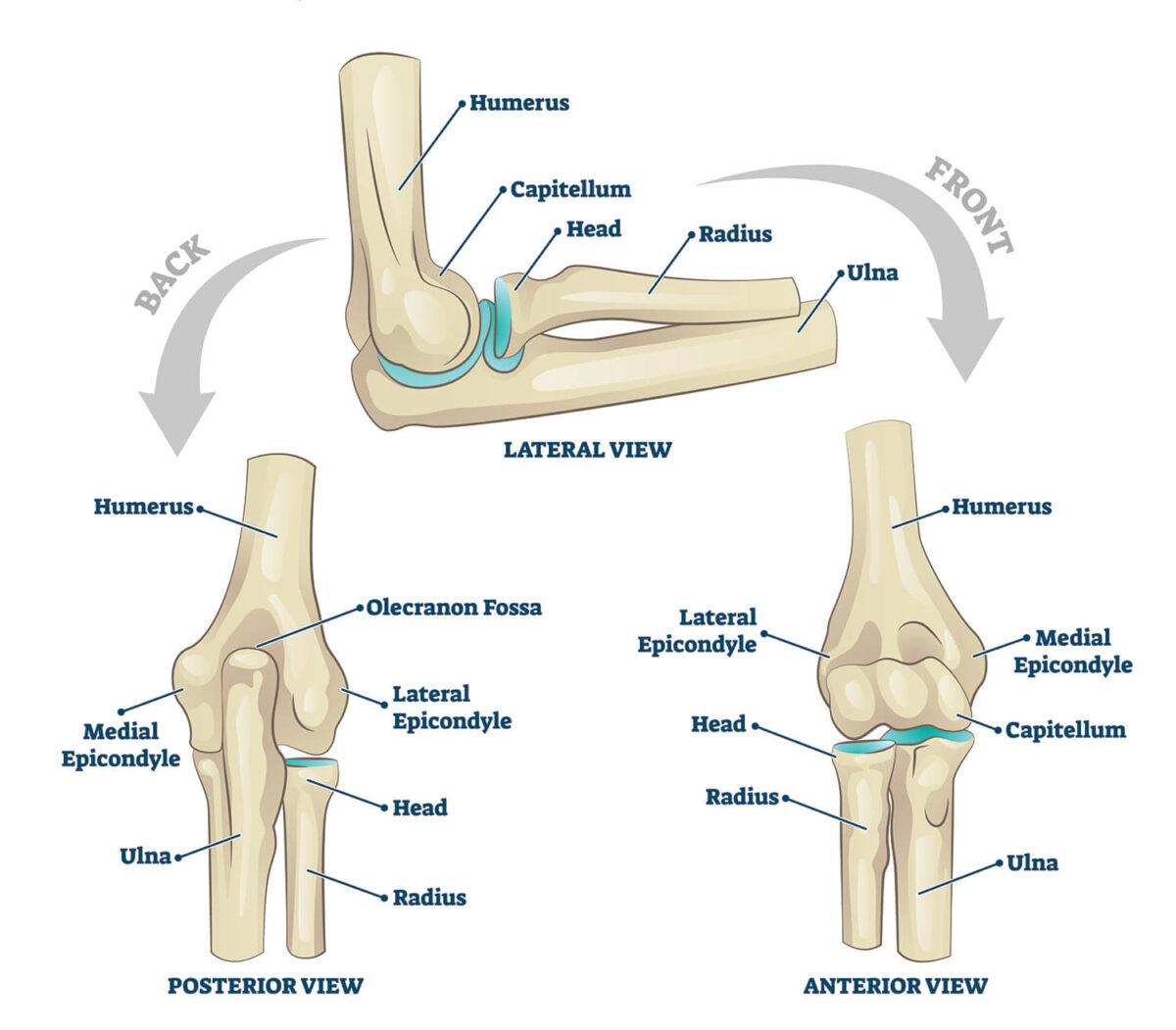
The elbow is a complex joint that connects the upper arm to the forearm, enabling a wide range of motion necessary for daily activities. It is made up of three bones: the humerus (upper arm bone), the radius, and the ulna (forearm bones). The elbow’s stability and movement are supported by ligaments, tendons, and muscles, allowing for bending, extending, and rotation of the forearm.
Key structures, such as the ulnar collateral ligament and the biceps tendon, play crucial roles in function and strength. Understanding the anatomy of the elbow is vital for diagnosing conditions such as tennis elbow, fractures, and joint stiffness.
Arthritis
Elbow Arthritis: Causes, Types, and Symptoms
Elbow arthritis occurs when the cartilage within the elbow joint begins to wear down or becomes damaged. Healthy cartilage allows the bones of the elbow to move smoothly against one another, but when this protective surface deteriorates, pain, stiffness, inflammation, and reduced motion can develop. Over time, arthritis can make simple activities such as lifting, carrying, reaching, or performing routine daily tasks increasingly difficult.
Although arthritis is often associated with aging, it can also develop following injuries, inflammatory conditions, or years of repetitive stress. The severity of symptoms varies from mild discomfort to significant joint dysfunction that impacts quality of life.
Causes of Elbow Arthritis
Elbow arthritis can develop due to several factors, including:
- Osteoarthritis: Age-related wear and tear gradually breaks down cartilage within the elbow joint.
- Rheumatoid Arthritis: An autoimmune condition that causes chronic inflammation and joint damage.
- Post-Traumatic Arthritis: Previous fractures, dislocations, or elbow injuries can accelerate cartilage deterioration.
- Repetitive Joint Stress: Years of physically demanding activities may contribute to joint degeneration.
- Joint Instability: Chronic ligament injuries or instability can increase abnormal wear on the elbow joint.
Types of Elbow Arthritis
- Osteoarthritis: The most common form, resulting from gradual cartilage wear over time.
- Rheumatoid Arthritis: An inflammatory autoimmune disease that can affect both elbows simultaneously.
- Post-Traumatic Arthritis: Develops following a previous injury to the elbow joint.
- Inflammatory Arthritis: Includes conditions such as psoriatic arthritis and other inflammatory disorders that affect joint health.
Symptoms of Elbow Arthritis
- Joint Pain: Pain may worsen with activity, lifting, or repetitive motion.
- Loss of Motion: Stiffness can make it difficult to fully bend or straighten the elbow.
- Swelling: Inflammation may cause visible swelling around the joint.
- Clicking or Grinding Sensations: Damaged cartilage may create popping, grinding, or catching sensations during movement.
- Weakness: Reduced strength may develop due to pain and limited use of the arm.
- Difficulty Performing Daily Activities: Routine tasks such as carrying groceries, opening doors, or lifting objects may become challenging.
Elbow arthritis can significantly impact daily function, but many patients find relief through conservative treatment. Physical therapy, medications, injections, and activity modification may help reduce pain and improve mobility. In advanced cases where joint damage becomes severe, surgical treatment may be recommended to restore function and alleviate discomfort.
Treatments
- Physical Therapy
- Activity Modification
- Elbow Bracing
- Ultrasound-Guided Injections
- Steroid Injections
- Platelet-Rich Plasma Therapy
- Orthobiologics
- Medication Management
- Elbow Arthroscopy
- Elbow Joint Replacement Surgery
Bursitis
Elbow Bursitis: Causes, Types, and Symptoms
Elbow bursitis occurs when the olecranon bursa, a small fluid-filled sac located at the tip of the elbow, becomes irritated or inflamed. The bursa normally helps reduce friction between the skin and underlying bone. When inflamed, it can fill with excess fluid, leading to noticeable swelling, discomfort, and tenderness.
Elbow bursitis may develop suddenly after an injury or gradually due to repetitive pressure on the elbow. Although often manageable with conservative treatment, persistent or infected bursitis may require more advanced care.
Causes of Elbow Bursitis
Elbow bursitis can develop due to several factors, including:
- Repeated Pressure: Frequently leaning on hard surfaces can irritate the bursa.
- Direct Trauma: A blow or fall onto the elbow may trigger inflammation and swelling.
- Repetitive Motion: Certain work and recreational activities may increase irritation.
- Infection: Bacteria can enter the bursa through cuts, scrapes, or skin injuries.
- Underlying Medical Conditions: Conditions such as gout or rheumatoid arthritis may increase the risk of bursitis.
Types of Elbow Bursitis
- Aseptic Bursitis: Inflammation occurs without infection and is the most common form.
- Septic Bursitis: Infection develops within the bursa, requiring prompt medical attention.
- Acute Bursitis: Symptoms develop suddenly following trauma or irritation.
- Chronic Bursitis: Long-term inflammation caused by repetitive stress or underlying conditions.
Symptoms of Elbow Bursitis
- Visible Swelling at the Back of the Elbow: One of the most recognizable signs of bursitis.
- Tenderness: The affected area may be sensitive to touch.
- Redness or Warmth: These symptoms may indicate inflammation or infection.
- Discomfort When Leaning on the Elbow: Pressure on the swollen bursa often worsens symptoms.
- Limited Motion: Significant swelling may restrict elbow movement.
- Pain: Pain may range from mild irritation to significant discomfort depending on the severity of inflammation.
Elbow bursitis can interfere with comfort and daily activities, but many patients improve with conservative treatment. Activity modification, aspiration, injections, and medications may help reduce inflammation and discomfort. In cases involving persistent swelling or infection, surgical treatment may be considered.
Treatments
- Activity Modification
- Elbow Padding and Protection
- Aspiration
- Ultrasound-Guided Injections
- Steroid Injections
- Medication Management
- Physical Therapy
- Bursectomy Surgery
Tennis Elbow (Lateral Epicondylitis)
Tennis Elbow (Lateral Epicondylitis): Causes, Types, and Symptoms
Tennis elbow, also known as lateral epicondylitis, is a common condition that occurs when the tendons attached to the outside of the elbow become irritated or damaged. Repetitive gripping, lifting, and wrist extension activities can create microscopic tears within the tendon, leading to pain and inflammation. Despite its name, tennis elbow affects many individuals who have never played tennis.
Tennis elbow can develop gradually over time and often affects individuals whose jobs, hobbies, or sports require repetitive hand, wrist, or forearm movements. Without treatment, symptoms may worsen and interfere with work, exercise, and daily activities.
Causes of Tennis Elbow
Tennis elbow can develop due to several factors, including:
- Repetitive Wrist and Forearm Movements: Frequent gripping, lifting, twisting, or wrist extension can place excessive stress on the elbow tendons.
- Sports Activities: Tennis, pickleball, racquet sports, and other athletic activities involving repetitive arm motions can contribute to tendon irritation.
- Work-Related Tasks: Occupations requiring repetitive hand and wrist movements, such as carpentry, plumbing, painting, or computer work, may increase risk.
- Improper Technique: Poor mechanics during sports or work activities can place additional strain on the tendon attachment.
- Age-Related Degeneration: Tendons naturally lose strength and elasticity over time, making them more susceptible to injury.
Types of Tennis Elbow
- Acute Tennis Elbow: Symptoms develop suddenly following increased activity or strain on the tendon.
- Chronic Tennis Elbow: Long-standing tendon degeneration resulting from repetitive overuse.
- Mild Lateral Epicondylitis: Symptoms occur primarily during activity with minimal impact on daily function.
- Severe Lateral Epicondylitis: Persistent pain that affects grip strength, lifting ability, and routine activities.
Symptoms of Tennis Elbow
- Pain on the Outside of the Elbow: The most common symptom, often worsening with activity.
- Weak Grip Strength: Difficulty gripping tools, opening jars, shaking hands, or carrying objects.
- Pain When Lifting Objects: Symptoms may increase when lifting even lightweight items.
- Discomfort During Repetitive Hand or Wrist Movements: Activities such as typing, using tools, or sports participation may aggravate symptoms.
- Forearm Tenderness: Tenderness may be present along the tendons extending from the elbow into the forearm.
- Stiffness: Some patients experience mild elbow stiffness, particularly after periods of inactivity.
Tennis elbow can interfere with work, sports, and everyday activities, but many patients achieve relief through conservative treatment. Physical therapy, activity modification, bracing, injections, and regenerative therapies may help reduce pain and promote healing. When symptoms persist despite non-surgical treatment, surgical intervention may be considered.
Treatments
- Physical Therapy
- Activity Modification
- Elbow Bracing
- Ultrasound-Guided Injections
- Steroid Injections
- Platelet-Rich Plasma Therapy
- Orthobiologics
- Medication Management
- Tennis Elbow Surgery
Golfer's Elbow (Medial Epicondylitis)
Golfer's Elbow (Medial Epicondylitis): Causes, Types, and Symptoms
Golfer’s elbow, also known as medial epicondylitis, is a condition that occurs when the tendons attached to the inside of the elbow become irritated or damaged. Repetitive gripping, wrist flexion, and forearm movements can create small tears within the tendon, leading to pain and inflammation. Although commonly associated with golf, this condition frequently affects individuals who perform repetitive work activities or participate in other sports.
Golfer’s elbow often develops gradually and can make everyday activities such as lifting, carrying, gripping, or using tools uncomfortable. Early treatment can help prevent symptoms from progressing and improve overall elbow function.
Causes of Golfer’s Elbow
Golfer’s elbow can develop due to several factors, including:
- Repetitive Wrist Flexion: Frequent bending of the wrist can place excessive stress on the tendons along the inside of the elbow.
- Repetitive Gripping Activities: Jobs and hobbies involving tools, lifting, or repetitive hand use can contribute to tendon irritation.
- Sports Participation: Golf, baseball, tennis, weightlifting, and throwing sports can increase stress on the elbow tendons.
- Poor Technique: Improper mechanics during sports or repetitive activities can increase strain on the tendon attachment.
- Age-Related Tendon Degeneration: Tendons naturally become less resilient over time, increasing susceptibility to injury.
Types of Golfer’s Elbow
- Acute Medial Epicondylitis: Symptoms develop suddenly following increased activity or a specific injury.
- Chronic Medial Epicondylitis: Long-term tendon degeneration resulting from repetitive overuse.
- Mild Golfer’s Elbow: Pain occurs primarily during activity with minimal impact on daily function.
- Severe Golfer’s Elbow: Persistent pain that interferes with gripping, lifting, and routine activities.
Symptoms of Golfer’s Elbow
- Pain Along the Inside of the Elbow: The most common symptom, often worsening with activity.
- Tenderness Near the Bony Prominence: Discomfort is commonly felt over the medial epicondyle.
- Weakness with Gripping: Difficulty holding or carrying objects may develop.
- Discomfort When Bending the Wrist: Symptoms often worsen during wrist flexion activities.
- Forearm Pain: Pain may radiate into the forearm during activity.
- Stiffness: Some patients experience elbow stiffness, particularly after periods of inactivity.
Golfer’s elbow can interfere with work, sports, and everyday activities, but many patients improve with conservative treatment. Physical therapy, activity modification, bracing, injections, and regenerative therapies may help reduce pain and promote healing. When symptoms persist despite non-surgical treatment, surgical intervention may be considered.
Treatments
- Physical Therapy
- Activity Modification
- Elbow Bracing
- Ultrasound-Guided Injections
- Steroid Injections
- Platelet-Rich Plasma Therapy
- Orthobiologics
- Medication Management
- Golfer’s Elbow Surgery
Ulnar Collateral Ligament (UCL) Injuries
Ulnar Collateral Ligament (UCL) Injuries: Causes, Types, and Symptoms
The ulnar collateral ligament (UCL) is a critical stabilizing structure located along the inner side of the elbow. It helps support the elbow during throwing and other overhead activities. UCL injuries commonly occur in athletes who perform repetitive overhead motions, particularly baseball pitchers, but can also affect non-athletes following trauma or repetitive stress.
Damage to the UCL can range from mild sprains to complete tears. As the injury progresses, patients may experience pain, instability, and declining performance during athletic activities.
Causes of UCL Injuries
UCL injuries can develop due to several factors, including:
- Repetitive Throwing Motions: Frequent overhead throwing places significant stress on the ligament.
- Overuse: High training volumes without adequate recovery can lead to gradual ligament damage.
- Traumatic Injury: Falls, direct blows, or sudden twisting injuries can cause ligament tears.
- Poor Throwing Mechanics: Improper technique may increase stress across the elbow.
- Muscle Imbalances: Weakness in surrounding muscles can reduce elbow stability and increase ligament strain.
Types of UCL Injuries
- UCL Sprain: Stretching of the ligament without a complete tear.
- Partial UCL Tear: A portion of the ligament fibers are torn, causing pain and instability.
- Complete UCL Tear: Full disruption of the ligament resulting in significant instability.
- Chronic UCL Injury: Gradual degeneration caused by repetitive stress over time.
Symptoms of UCL Injuries
- Inner Elbow Pain: Pain is typically felt along the inside of the elbow during activity.
- Decreased Throwing Velocity: Athletes may notice reduced performance and arm strength.
- Instability During Activity: A sensation that the elbow feels loose or unstable.
- Popping Sensations During Throwing: Some patients experience a pop at the time of injury.
- Reduced Endurance: Difficulty maintaining performance during sports activities.
- Numbness or Tingling: Irritation of the nearby ulnar nerve may produce symptoms in the hand and fingers.
UCL injuries can significantly affect athletic performance and daily activities, but many patients benefit from conservative treatment. Physical therapy, activity modification, injections, and biologic therapies may help promote healing. In more severe cases, ligament reconstruction surgery may be recommended.
Treatments
- Physical Therapy
- Throwing Mechanics Evaluation
- Activity Modification
- Elbow Bracing
- Ultrasound-Guided Injections
- Platelet-Rich Plasma Therapy
- Orthobiologics
- UCL Reconstruction Surgery (Tommy John Surgery)
Cubital Tunnel Syndrome
Cubital Tunnel Syndrome: Causes, Types, and Symptoms
Cubital tunnel syndrome occurs when the ulnar nerve becomes compressed or irritated as it travels through the cubital tunnel on the inside of the elbow. The ulnar nerve provides sensation to the ring and little fingers and helps control several hand muscles. When compressed, it can cause numbness, tingling, weakness, and reduced hand function.
Cubital tunnel syndrome is one of the most common nerve compression conditions affecting the upper extremity and may gradually worsen without treatment.
Causes of Cubital Tunnel Syndrome
Cubital tunnel syndrome can develop due to several factors, including:
- Prolonged Elbow Bending: Keeping the elbow bent for extended periods can increase pressure on the ulnar nerve.
- Repetitive Elbow Motion: Frequent bending and straightening of the elbow may irritate the nerve.
- Direct Pressure on the Elbow: Leaning on the elbow for long periods can compress the nerve.
- Previous Elbow Injuries: Fractures, dislocations, or scar tissue may narrow the cubital tunnel.
- Anatomical Variations: Some individuals naturally have less space for the ulnar nerve.
Types of Cubital Tunnel Syndrome
- Mild Cubital Tunnel Syndrome: Symptoms are intermittent and primarily sensory.
- Moderate Cubital Tunnel Syndrome: More frequent symptoms with early weakness.
- Severe Cubital Tunnel Syndrome: Significant nerve compression causing muscle weakness and loss of hand function.
- Dynamic Ulnar Nerve Compression: Symptoms occur primarily during certain movements or activities.
Symptoms of Cubital Tunnel Syndrome
- Numbness or Tingling in the Ring and Little Fingers: Often worse at night or when the elbow is bent.
- Hand Weakness: Reduced grip strength and difficulty handling objects.
- Increased Symptoms While Bending the Elbow: Prolonged elbow flexion may worsen symptoms.
- Difficulty with Fine Motor Tasks: Challenges with buttoning clothing, typing, or writing.
- Hand Clumsiness: Objects may be dropped more frequently.
- Forearm Discomfort: Some patients experience aching along the inside of the elbow and forearm.
Cubital tunnel syndrome can affect hand strength and coordination, but many patients improve with conservative treatment. Activity modification, bracing, therapy, and nerve protection strategies often help relieve symptoms. Surgical decompression may be recommended when nerve compression becomes severe or progressive.
Treatments
- Physical Therapy
- Activity Modification
- Night Splinting
- Elbow Bracing
- Nerve Gliding Exercises
- Ultrasound-Guided Injections
- Cubital Tunnel Release Surgery
- Ulnar Nerve Transposition Surgery
Elbow Fractures
Elbow Fractures: Causes, Types, and Symptoms
Elbow fractures occur when one or more of the bones that make up the elbow joint break due to trauma or injury. The elbow is formed by the humerus (upper arm bone), radius, and ulna (forearm bones), and fractures can occur in any of these structures. Depending on the location and severity of the fracture, elbow injuries can significantly affect arm movement, stability, and function.
Prompt evaluation and treatment are important to ensure proper healing and restore normal elbow function. Without appropriate care, fractures can lead to stiffness, chronic pain, and long-term limitations.
Causes of Elbow Fractures
Elbow fractures can occur due to several factors, including:
- Falls: Landing on an outstretched hand or directly on the elbow is one of the most common causes.
- Sports Injuries: Contact sports and recreational activities can expose the elbow to significant forces.
- Motor Vehicle Accidents: High-energy trauma can result in complex elbow fractures.
- Direct Blows: A direct impact to the elbow may cause a fracture.
- Osteoporosis: Weakened bones may fracture more easily, even with relatively minor trauma.
Types of Elbow Fractures
- Radial Head Fracture: A break involving the top of the radius near the elbow joint.
- Olecranon Fracture: A fracture of the bony prominence at the tip of the elbow.
- Distal Humerus Fracture: A break in the lower portion of the upper arm bone near the elbow.
- Coronoid Fracture: A fracture involving a portion of the ulna that helps stabilize the elbow.
- Open Fracture: A severe injury in which the bone breaks through the skin.
- Displaced Fracture: The broken bone fragments have shifted out of alignment.
Symptoms of Elbow Fractures
- Significant Pain: Severe pain is common immediately following injury.
- Swelling: Inflammation and swelling often develop rapidly around the elbow.
- Bruising: Discoloration may occur around the injury site.
- Deformity: Severe fractures may cause visible changes in the appearance of the elbow.
- Difficulty Moving the Arm: Pain and instability may limit movement.
- Tenderness: The elbow is often painful to touch.
- Grinding Sensations: Some patients may feel movement of bone fragments during motion.
Elbow fractures can significantly affect arm function, but early treatment can help promote proper healing and recovery. Depending on the injury, treatment may involve immobilization, fracture management, rehabilitation, or surgical repair to restore alignment and stability.
Treatments
- Fracture Management
- Splinting and Casting
- Bracing
- Physical Therapy
- Activity Modification
- Open Reduction Internal Fixation (ORIF)
- Elbow Fracture Surgery
- Rehabilitation Programs
Distal Biceps Tendon Tears
Distal Biceps Tendon Tears: Causes, Types, and Symptoms
A distal biceps tendon tear occurs when the tendon connecting the biceps muscle to the forearm becomes partially or completely detached from the bone. This injury most commonly occurs during a sudden forceful lifting event and can significantly affect arm strength, particularly during lifting, pulling, and forearm rotation activities.
Distal biceps tendon tears are more common in middle-aged adults and often occur unexpectedly. Early diagnosis is important, as timely treatment can help restore strength and function.
Causes of Distal Biceps Tendon Tears
Distal biceps tendon tears can occur due to several factors, including:
- Sudden Heavy Lifting: Attempting to lift or catch a heavy object can place excessive stress on the tendon.
- Forceful Eccentric Contraction: The tendon may tear when resisting a heavy load that is pulling the arm straight.
- Sports Injuries: Weightlifting, football, wrestling, and other activities may increase risk.
- Age-Related Tendon Degeneration: Tendons naturally weaken over time and become more susceptible to injury.
- Smoking: Reduced blood flow can contribute to tendon degeneration and increase the likelihood of tears.
Types of Distal Biceps Tendon Tears
- Partial Tear: Only a portion of the tendon fibers are damaged.
- Complete Tear: The tendon fully detaches from the bone.
- Acute Tear: A sudden injury that occurs during a specific event.
- Chronic Tear: A tear that remains untreated for an extended period.
Symptoms of Distal Biceps Tendon Tears
- A Sudden Popping Sensation: Many patients report feeling or hearing a pop at the time of injury.
- Bruising Near the Elbow: Discoloration often develops shortly after the injury.
- Weakness with Lifting: Reduced strength is common when bending the elbow.
- Reduced Ability to Rotate the Forearm: Turning the palm upward may become difficult.
- Pain Along the Front of the Elbow: Discomfort is typically felt near the tendon attachment.
- Muscle Deformity: A visible change in the appearance of the biceps muscle may occur with complete tears.
Distal biceps tendon tears can significantly affect arm strength and function, but treatment options are available to help restore mobility and performance. Depending on the severity of the injury and the patient’s goals, treatment may include therapy, activity modification, or surgical tendon repair.
Treatments
- Physical Therapy
- Activity Modification
- Bracing
- Medication Management
- Distal Biceps Tendon Repair Surgery
- Rehabilitation Programs
- Strength and Mobility Training
When Should You See an Elbow Specialist?
While some minor elbow discomfort may improve with rest and activity modification, persistent symptoms should be evaluated to prevent further injury and functional limitations.
Consider scheduling an evaluation if you experience:
- Elbow pain lasting several weeks
- Difficulty bending or straightening the arm
- Swelling around the joint
- Weakness when lifting or gripping
- Loss of motion
- Symptoms following a fall or injury
- Pain that interferes with work, sports, or daily activities
Early diagnosis and treatment may help improve outcomes and restore normal function.
Summary
The elbow is a complex joint that provides the strength, stability, and mobility necessary for countless daily activities. Its unique combination of bones, ligaments, tendons, and muscles allows for bending, straightening, and rotational movements that are essential for normal function.
Because the elbow is heavily involved in both everyday tasks and athletic activities, injuries and degenerative conditions can significantly impact quality of life. Understanding elbow anatomy helps patients better recognize symptoms and seek appropriate care when problems arise.