
ORTHOPEDICS + SPORTS MEDICINE

Orthopedic Shoulder Specialists

Care for the shoulder, from rotator cuff tears and instability to arthritis and joint replacement.

The shoulder is one of the most complex and frequently used joints in the body. Whether you're reaching overhead, lifting groceries, throwing a ball, or simply getting dressed, your shoulders play an essential role in everyday movement. Because of its remarkable range of motion, the shoulder is also vulnerable to injury, instability, and degenerative conditions that can lead to pain and limited function.

At Sforzo | Dillingham | Stewart Orthopedics + Sports Medicine, our fellowship-trained shoulder specialists provide comprehensive care for a wide range of shoulder conditions. From conservative treatment options to advanced surgical procedures, including shoulder replacement, our goal is to help patients reduce pain, restore mobility, and return to the activities they enjoy.

Shoulder Specialists

Advanced Treatment

Personalized Care

Understanding Shoulder Anatomy

The shoulder is a highly flexible and mobile joint that connects the arm to the torso, enabling a wide range of movements. It consists of three main bones: the humerus (upper arm bone), the scapula (shoulder blade), and the clavicle (collarbone). The shoulder’s stability is provided by the rotator cuff muscles, ligaments, and tendons, which work together to allow for overhead motions, rotation, and lifting. The ball-and-socket structure of the shoulder allows for unparalleled mobility but also makes it prone to injuries such as rotator cuff tears, dislocations, and arthritis. Understanding the shoulder’s anatomy helps to appreciate its complexity and functionality in everyday movement.
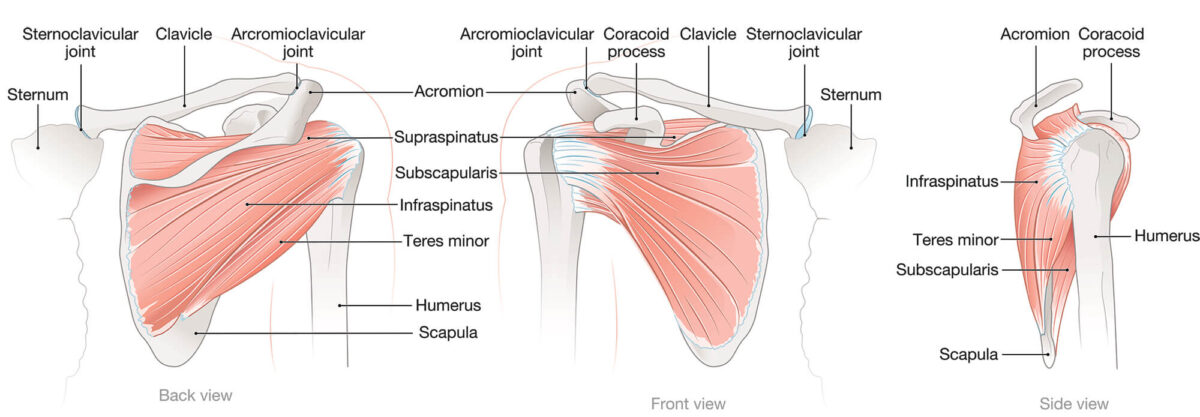
Full depiction of shoulder anatomy with back, front, and side views

Shoulder Arthritis: Causes, Types, and Symptoms

Shoulder arthritis is a condition where the cartilage in the shoulder joint deteriorates, leading to pain, stiffness, and reduced mobility. It can significantly impact daily activities such as lifting, reaching, or even sleeping comfortably.

Causes of Shoulder Arthritis

The causes of shoulder arthritis can vary, but common factors include:

  • Osteoarthritis (OA): The most common type of shoulder arthritis, caused by gradual wear and tear of the cartilage over time, often linked to aging and repetitive joint use.
  • Rheumatoid Arthritis (RA): An autoimmune condition that leads to chronic inflammation in the shoulder joint, resulting in pain, swelling, and possible joint deformity.
  • Post-Traumatic Arthritis: Develops after an injury, such as a shoulder fracture or dislocation, which can accelerate cartilage degeneration.
  • Avascular Necrosis: A condition where the blood supply to the shoulder bone is disrupted, leading to bone and cartilage damage.
  • Infectious Arthritis: Caused by an infection in the shoulder joint, leading to inflammation, pain, and swelling.

Types of Shoulder Arthritis

  • Osteoarthritis (OA): A degenerative joint disease that results in cartilage breakdown, causing pain and stiffness, particularly in older adults.
  • Rheumatoid Arthritis (RA): An autoimmune disorder affecting the synovium of the shoulder joint, leading to inflammation, swelling, and potential deformity.
  • Post-Traumatic Arthritis: A type of arthritis that occurs following a significant shoulder injury or trauma, leading to joint deterioration over time.
  • Avascular Necrosis: This occurs when a lack of blood supply to the humeral head causes the bone to weaken and collapse, eventually leading to arthritis.
  • Infectious Arthritis: A rare but serious condition where bacteria or viruses infect the shoulder joint, leading to severe pain and inflammation.

Symptoms of Shoulder Arthritis

  • Pain: Pain in the shoulder, especially with movement, lifting objects, or at rest.
  • Stiffness: Reduced range of motion, making it difficult to lift the arm or reach overhead.
  • Swelling: Inflammation around the shoulder joint, often accompanied by discomfort.
  • Weakness: A sensation of instability or weakness in the shoulder, making daily activities challenging.
  • Crepitus: A grinding, clicking, or popping sensation in the shoulder joint during movement.

Shoulder arthritis can significantly impact the quality of life, but treatment options such as physical therapy, medications, corticosteroid injections, or in severe cases, shoulder replacement surgery, can help alleviate pain and improve function.

Treatments

Shoulder Bursitis: Causes, Types, and Symptoms

Shoulder bursitis is a condition characterized by inflammation of the bursa, a small fluid-filled sac that cushions the shoulder joint. This inflammation can cause pain, swelling, and limited mobility, affecting daily activities like lifting, reaching, or even lying on the affected side.

Causes of Shoulder Bursitis

Shoulder bursitis can develop due to various factors, including:

  • Repetitive Movements & Overuse: Frequent overhead motions in sports (e.g., swimming, baseball) or work-related tasks (e.g., painting, lifting) can irritate the bursa.
  • Trauma & Injury: A direct blow to the shoulder, a fall, or sudden impact can lead to bursitis.
  • Poor Posture: Slouching or improper shoulder mechanics can put extra pressure on the bursa, leading to irritation.
  • Aging & Degeneration: The natural aging process can make the bursa more susceptible to inflammation and irritation.
  • Underlying Conditions: Conditions like rheumatoid arthritis, gout, or infections can contribute to bursitis.

Types of Shoulder Bursitis

  • Subacromial Bursitis: The most common form, occurring under the acromion (top part of the shoulder blade), often associated with rotator cuff injuries.
  • Chronic Bursitis: Long-term inflammation due to repeated irritation or an underlying condition like arthritis.
  • Traumatic Bursitis: Develops after a direct impact or injury to the shoulder, causing sudden swelling and pain.

Symptoms of Shoulder Bursitis

  • Pain: A dull, aching pain in the shoulder, especially when moving the arm overhead or to the side.
  • Swelling: Puffiness or localized inflammation around the affected area.
  • Tenderness: Pain when pressing on the shoulder or lying on the affected side.
  • Stiffness & Limited Motion: Difficulty lifting or rotating the arm due to discomfort.
  • Warmth & Redness: Possible signs of infection if the bursitis is septic.

Shoulder bursitis can interfere with daily activities, but treatment options such as rest, ice, physical therapy, anti-inflammatory medications, corticosteroid injections, or, in severe cases, surgery, can help reduce pain and restore shoulder function.

Treatments

Rotator Cuff Injuries: Causes, Types, and Symptoms

Rotator cuff injuries occur when the muscles and tendons surrounding the shoulder joint become damaged or inflamed. These injuries can lead to pain, weakness, and limited shoulder mobility, affecting daily activities such as lifting, reaching, or sleeping on the affected side.

Causes of Rotator Cuff Injuries

Rotator cuff injuries can result from various factors, including:

  • Overuse & Repetitive Movements: Common in athletes and individuals with jobs that require frequent overhead motions (e.g., painters, carpenters).
  • Aging & Degeneration: Natural wear and tear over time can weaken the tendons, making them more prone to injury, especially in individuals over 40.
  • Trauma & Sudden Injury: A fall, heavy lifting, or direct impact to the shoulder can cause acute tears in the rotator cuff tendons.
  • Poor Posture: Incorrect posture, especially with prolonged forward shoulder positioning, can increase stress on the rotator cuff.

Types of Rotator Cuff Injuries

  • Tendonitis: Inflammation of the rotator cuff tendons due to overuse or strain, often causing pain and stiffness.
  • Partial Tear: A tear in the rotator cuff that does not completely sever the tendon, often causing pain with certain movements.
  • Full-Thickness Tear: A complete tear where the tendon detaches from the bone, significantly impacting shoulder function and strength.

Symptoms of Rotator Cuff Injuries

  • Pain: Shoulder pain, especially when lifting the arm, reaching behind the back, or lying on the affected side.
  • Weakness: Difficulty lifting or rotating the arm due to tendon damage.
  • Limited Range of Motion: Stiffness and difficulty in fully moving the shoulder.
  • Clicking or Popping Sounds: Sensation of popping or cracking when moving the arm.
  • Night Pain: Increased discomfort when resting or sleeping, particularly when lying on the injured shoulder.

Rotator cuff injuries can impact daily life, but treatment options such as physical therapy, medications, corticosteroid injections, or, in severe cases, surgery can help relieve pain and restore function.

Treatments

AC Joint Injuries: Causes, Types, and Symptoms

Acromioclavicular (AC) joint injuries occur when the ligaments that connect the clavicle (collarbone) to the acromion (part of the shoulder blade) become damaged. These injuries can lead to pain, instability, and reduced shoulder function, affecting activities such as lifting, reaching, or carrying objects.

Causes of AC Joint Injuries

AC joint injuries can result from various factors, including:

  • Direct Trauma: A fall directly onto the shoulder or a direct blow (common in contact sports like football, hockey, or wrestling) can damage the AC joint.
  • Repetitive Stress & Overuse: Continuous overhead movements (e.g., weightlifting, throwing sports) can cause wear and tear on the AC joint.
  • Degenerative Arthritis: Over time, the AC joint can wear down due to aging or repetitive use, leading to joint pain and dysfunction.
  • Heavy Lifting: Carrying heavy loads, especially across the shoulders, can place excessive strain on the AC joint.

Types of AC Joint Injuries

  • AC Joint Sprain (Grade I): Mild ligament stretching or small tears, causing minor pain and swelling.
  • Partial AC Joint Separation (Grade II): A more significant tear in the AC ligaments, leading to moderate pain and a noticeable bump at the joint.
  • Complete AC Joint Separation (Grade III+): A full rupture of the ligaments, causing severe pain, a prominent deformity, and possible collarbone elevation.
  • AC Joint Osteoarthritis: Degenerative changes in the AC joint due to wear and tear, leading to chronic pain and stiffness.

Symptoms of AC Joint Injuries

  • Pain: Localized pain at the top of the shoulder, especially with movement or pressure.
  • Swelling & Bruising: Inflammation around the AC joint, sometimes with visible bruising.
  • Deformity or Bump: A noticeable elevation of the collarbone in more severe injuries.
  • Limited Shoulder Motion: Difficulty lifting the arm, particularly overhead or across the body.
  • Weakness & Instability: A feeling of weakness or instability in the shoulder when carrying objects.

AC joint injuries can impact shoulder function, but treatment options such as rest, ice, physical therapy, pain management, bracing, corticosteroid injections, or, in severe cases, surgery can help relieve pain and restore mobility.

Treatments

Shoulder & Clavicle Fractures: Causes, Types, and Symptoms

Fractures in the shoulder or clavicle region occur when one of the bones in the shoulder complex—such as the clavicle (collarbone), scapula (shoulder blade), or humerus (upper arm bone)—breaks due to trauma. These fractures can cause significant pain, swelling, and limited arm movement, affecting daily activities like lifting, reaching, or even supporting body weight.

Causes of Shoulder & Clavicle Fractures

Fractures in this region can result from various factors, including:

  • Falls: Landing on an outstretched arm or directly on the shoulder can cause fractures, especially in the clavicle or humerus.
  • Direct Trauma: A strong impact, such as a car accident or sports collision, can break bones in the shoulder.
  • High-Energy Injuries: Severe accidents, such as motorcycle crashes, can lead to complex fractures, especially in the scapula.
  • Osteoporosis: Weak or brittle bones due to age-related bone loss can increase the risk of fractures with minor falls or impacts.

Types of Shoulder & Clavicle Fractures

  • Clavicle (Collarbone) Fracture: A break in the clavicle, often caused by falls or direct impacts, resulting in shoulder pain and a visible deformity.
  • Proximal Humerus Fracture: A fracture near the top of the upper arm bone, common in older adults with osteoporosis.
  • Scapula (Shoulder Blade) Fracture: Less common but serious, usually caused by high-impact trauma like car accidents.
  • Acromion Fracture: A break in the top part of the shoulder blade, affecting the function of the shoulder joint.

Symptoms of Shoulder & Clavicle Fractures

  • Severe Pain: Sharp pain, especially when moving the shoulder or arm.
  • Swelling & Bruising: Inflammation and discoloration around the fracture site.
  • Deformity or Bump: A visible abnormality in the collarbone or shoulder contour.
  • Limited Arm Mobility: Difficulty raising or moving the arm due to pain and instability.
  • Grinding or Popping Sensation: A feeling of bone fragments moving when attempting to use the shoulder.

Shoulder and clavicle fractures can significantly impact daily function, but treatment options such as immobilization with a sling, pain management, physical therapy, or, in severe cases, surgery can help restore movement and stability.

Treatments

Shoulder Instability: Causes, Types, and Symptoms

Shoulder instability occurs when the shoulder joint is unable to maintain its proper position, leading to excessive movement, weakness, or dislocation. This condition can cause pain, reduced function, and an increased risk of recurrent injuries, affecting activities like lifting, throwing, or even sleeping on the affected side.

Causes of Shoulder Instability

Shoulder instability can result from various factors, including:

  • Trauma & Dislocation: A previous shoulder dislocation or injury can stretch or tear the ligaments, making the joint more prone to instability.
  • Repetitive Overuse: Frequent overhead motions in sports (e.g., swimming, baseball, volleyball) or work-related tasks can weaken the stabilizing structures of the shoulder.
  • Ligament Laxity (Loose Ligaments): Some individuals have naturally loose ligaments, making them more prone to shoulder instability, especially in both shoulders.
  • Weak Shoulder Muscles: Poor muscle strength around the shoulder joint can contribute to instability, as the muscles play a key role in keeping the joint in place.

Types of Shoulder Instability

  • Traumatic Shoulder Instability: Occurs after a dislocation or significant injury that damages the ligaments, leading to chronic instability.
  • Atraumatic Shoulder Instability: Develops gradually due to repetitive strain, poor muscle control, or naturally loose ligaments.
  • Multidirectional Instability (MDI): Instability in multiple directions (front, back, or downward), common in individuals with hypermobility or weak shoulder muscles.
  • Anterior Instability: The most common form, where the shoulder moves too far forward and can lead to dislocations.
  • Posterior Instability: Less common, where the shoulder shifts backward, often due to repetitive pushing or weightlifting activities.

Symptoms of Shoulder Instability

  • Pain: Discomfort in the shoulder, especially with movement or overhead activities.
  • Weakness & Fatigue: A feeling of weakness or heaviness in the arm, particularly after activity.
  • Looseness or Shifting Sensation: A feeling that the shoulder might “slip out” or move excessively.
  • Frequent Dislocations or Subluxations: The shoulder fully or partially dislocates, causing significant pain and dysfunction.
  • Clicking or Popping: Unusual sounds or sensations when moving the shoulder.

Shoulder instability can interfere with daily function, but treatment options such as physical therapy, strengthening exercises, activity modification, bracing, or, in severe cases, surgery can help restore stability and prevent further dislocations.

Treatments

Proximal Biceps Tendon Injuries: Causes, Types, and Symptoms

Long head biceps tendon injuries occur when the tendon connecting the biceps muscle to the shoulder joint becomes inflamed, frayed, or torn. These injuries can lead to pain, weakness, and reduced arm function, affecting activities like lifting, reaching, or rotating the arm.

Causes of Long Head Biceps Tendon Injuries

Long head biceps tendon injuries can result from various factors, including:

  • Overuse & Repetitive Motion: Frequent overhead activities (e.g., swimming, baseball, weightlifting) can lead to wear and tear on the tendon.
  • Aging & Degeneration: As people age, the tendon naturally weakens, making it more susceptible to fraying or tearing.
  • Trauma & Injury: A sudden fall, heavy lifting, or direct impact to the shoulder can cause acute damage to the tendon.
  • Shoulder Instability & Rotator Cuff Injuries: Conditions like rotator cuff tears or shoulder impingement can contribute to biceps tendon damage.

Types of Long Head Biceps Tendon Injuries

  • Biceps Tendinitis: Inflammation of the tendon, leading to pain and stiffness in the front of the shoulder.
  • Biceps Tendinosis: Chronic degeneration of the tendon due to overuse, often without significant inflammation.
  • Partial Tear: A partial rupture of the tendon, causing pain and weakness with arm movement.
  • Complete Tear (Biceps Tendon Rupture): The tendon fully detaches from the shoulder, leading to a “Popeye deformity” where the biceps muscle bunches up.

Symptoms of Long Head Biceps Tendon Injuries

  • Pain: Deep, aching pain in the front of the shoulder, especially with overhead or lifting movements.
  • Weakness: Reduced strength when bending the elbow or rotating the forearm.
  • Clicking or Popping Sounds: Sensations of snapping or popping in the shoulder with movement.
  • Tenderness: Sensitivity to touch along the front of the shoulder.
  • Muscle Deformity (in severe cases): A bulging appearance in the upper arm due to tendon rupture.

Long head biceps tendon injuries can affect daily activities, but treatment options such as rest, physical therapy, anti-inflammatory medications, corticosteroid injections, or, in severe cases, surgical repair or tenodesis, can help restore function and reduce pain.

Treatments

SLAP Tears: Causes, Types, and Symptoms

A SLAP (Superior Labrum Anterior to Posterior) tear is an injury to the labrum, the ring of cartilage surrounding the shoulder socket. This injury can lead to pain, instability, and reduced shoulder function, affecting activities like throwing, lifting, or reaching overhead.

Causes of SLAP Tears

SLAP tears can result from various factors, including:

  • Repetitive Overhead Movements: Common in athletes such as baseball pitchers, swimmers, and weightlifters due to repeated stress on the shoulder.
  • Trauma & Falls: Falling onto an outstretched arm or experiencing a direct impact to the shoulder can cause a SLAP tear.
  • Heavy Lifting: Sudden or excessive force while lifting, especially overhead, can strain and tear the labrum.
  • Degeneration & Aging: Over time, the labrum naturally weakens, making it more susceptible to tears, particularly in individuals over 40.

Types of SLAP Tears

  • Type I: Degenerative fraying of the labrum, but no significant detachment.
  • Type II: The most common type, where the labrum and biceps tendon detach from the socket.
  • Type III: A “bucket-handle” tear, where a portion of the labrum is torn but remains attached.
  • Type IV: A severe tear that extends into the biceps tendon, potentially requiring surgical repair.

Symptoms of SLAP Tears

  • Pain: Deep shoulder pain, especially with overhead or behind-the-back movements.
  • Clicking or Popping Sounds: Sensations of catching, locking, or grinding in the shoulder.
  • Weakness: Decreased strength in the shoulder, particularly with lifting or throwing.
  • Instability: A feeling of looseness or the shoulder “giving out.”
  • Reduced Range of Motion: Difficulty reaching overhead or rotating the arm.

SLAP tears can impact shoulder function, but treatment options such as rest, physical therapy, anti-inflammatory medications, corticosteroid injections, or, in severe cases, arthroscopic surgery can help relieve pain and restore stability.

Treatments

Shoulder Impingement: Causes, Types, and Symptoms

Shoulder impingement is a condition where the tendons of the rotator cuff become irritated or compressed, typically beneath the acromion (the bony part of the shoulder blade). This can lead to pain, weakness, and limited range of motion, particularly during overhead activities.

Causes of Shoulder Impingement

Shoulder impingement can result from various factors, including:

  • Repetitive Overhead Movements: Common in athletes such as swimmers, baseball players, or weightlifters, who stress the shoulder with frequent overhead motions.
  • Poor Posture: Prolonged poor posture can alter the mechanics of the shoulder, contributing to impingement.
  • Aging & Wear: As individuals age, wear and tear on the rotator cuff tendons can lead to narrowing of the subacromial space and increased friction.
  • Anatomical Factors: Structural issues, such as a hooked acromion or an abnormally shaped acromion, can reduce the space available for the tendons.

Types of Shoulder Impingement

  • Primary Impingement: Caused by structural issues, such as bone spurs or a hooked acromion that reduce the subacromial space and irritate the tendons.
  • Secondary Impingement: Caused by poor shoulder mechanics, such as muscle weakness or instability, that leads to abnormal movement patterns, causing tendons to become pinched.
  • Internal Impingement: Often seen in athletes, where the rotator cuff tendons rub against the posterior aspect of the shoulder socket during overhead activities.

Symptoms of Shoulder Impingement

  • Pain: Pain, particularly when lifting the arm overhead or reaching behind the back.
  • Weakness: Decreased strength in the shoulder, especially when trying to lift or move the arm overhead.
  • Tenderness: Pain and tenderness on the outer part of the shoulder.
  • Limited Range of Motion: Difficulty lifting the arm or rotating the shoulder.
  • Pain at Night: Worsening pain when lying on the affected side, especially during sleep.

Shoulder impingement can significantly affect daily activities and athletic performance, but treatment options such as rest, physical therapy, anti-inflammatory medications, and, in some cases, surgery can help relieve symptoms and restore function.

Treatments

Injuries to the Overhead Athlete: Causes, Types, and Symptoms

Overhead athletes, such as baseball players, swimmers, tennis players, and volleyball players, are particularly prone to injuries due to the repetitive and high-stress movements involved in their sports. These injuries often affect the shoulder, elbow, and wrist, as these joints are heavily involved in overhead motions.

Causes of Injuries to the Overhead Athlete

Injuries in overhead athletes can result from several factors, including:

  • Repetitive Overhead Motion: Repeated throwing, swimming strokes, or hitting motions create significant stress on the shoulder and elbow joints.
  • Poor Mechanics: Incorrect form or inefficient movement patterns increase the risk of injury, especially with improper technique in throwing or swimming strokes.
  • Overuse: Playing a sport excessively without sufficient rest can lead to overuse injuries, particularly in young athletes with developing muscles and joints.
  • Imbalance in Muscle Strength: Weakness or imbalances in the rotator cuff, scapular stabilizers, or the forearm muscles can place added stress on the joints.
  • Aging: As athletes age, the tendons and ligaments become less flexible and more prone to wear and tear, increasing the risk of injury.

Common Types of Injuries to the Overhead Athlete

  • Rotator Cuff Tendonitis: Inflammation of the rotator cuff tendons, often caused by repetitive overhead movements.
  • Labral Tears: Tears in the shoulder labrum, such as SLAP tears, can occur from repetitive overhead stress or trauma.
  • Shoulder Impingement: Compression of the rotator cuff tendons beneath the acromion, leading to pain and limited range of motion.
  • Shoulder Instability: A feeling of looseness in the shoulder, often due to overstretching of the joint capsule or ligaments.
  • Ulnar Collateral Ligament (UCL) Injury: A common injury in throwing athletes, especially baseball pitchers, where the UCL in the elbow is overstretched or torn.
  • Tennis Elbow (Lateral Epicondylitis): Inflammation of the tendons on the outside of the elbow due to repetitive arm motions.
  • Biceps Tendonitis: Inflammation of the biceps tendon, often linked to repetitive overhead lifting or throwing motions.

Symptoms of Injuries to the Overhead Athlete

  • Pain: Pain, especially when performing overhead movements or throwing motions. This can vary from a dull ache to sharp pain.
  • Weakness: Decreased strength in the shoulder, elbow, or wrist, particularly when trying to lift or throw.
  • Instability: A feeling that the joint is loose or may “give out,” especially with shoulder instability.
  • Swelling: Swelling in the shoulder or elbow joint, often associated with tendonitis or ligament injuries.
  • Limited Range of Motion: Difficulty with full overhead motion, particularly in the shoulder or elbow.
  • Clicking or Popping: A sensation of catching, clicking, or popping in the joint, which may be associated with labral tears or shoulder instability.

Treatment Options for Injuries to the Overhead Athlete

  1. Conservative Treatment:
    • Rest: Avoiding overhead activities to allow for healing.
    • Ice Therapy: Applying ice to reduce swelling and pain.
    • Physical Therapy: Focused on strengthening the rotator cuff, scapular stabilizers, and other muscles to improve shoulder mechanics and prevent re-injury.
    • Anti-Inflammatory Medications: NSAIDs to reduce pain and inflammation.
    • Corticosteroid Injections: For more persistent pain and inflammation.
  2. Surgical Treatment:
    • Rotator Cuff Repair: If tendon tears occur, surgery may be required to reattach the tendons.
    • Labral Repair: In cases of labral tears (e.g., SLAP tears), arthroscopic surgery may be needed to repair the labrum.
    • Tommy John Surgery (UCL Reconstruction): For athletes with UCL tears, especially pitchers, this surgery reconstructs the ligament to restore elbow stability.

Injuries to the overhead athlete can severely impact performance and daily activities, but with early diagnosis and appropriate treatment, athletes can return to play with minimized risk of re-injury. Proper training, mechanics, and rest are key components of injury prevention.

Summary

The shoulder is one of the body’s most complex and mobile joints, allowing for a remarkable range of motion and function. Its intricate anatomy relies on a coordinated system of bones, muscles, tendons, ligaments, and cartilage to provide both movement and stability.

Because of its complexity and constant use, the shoulder is susceptible to injuries, overuse conditions, and degenerative changes that can affect daily activities and quality of life. Understanding shoulder anatomy is an important first step toward recognizing symptoms and seeking appropriate care when problems arise.


Scroll to Top

Steroid Injections

Steroid injections are a popular treatment for pain and inflammation in bones, joints, and muscles. Let’s break down what they are, how they work, and when they’re used.

What Are Steroid Injections?

These injections usually contain corticosteroids, which are powerful anti-inflammatory medications. They help reduce swelling and pain quickly and are often mixed with a local anesthetic for added relief.

When Are They Used?

Steroid injections are commonly used for:

  • Arthritis: They can ease pain in joints affected by osteoarthritis or rheumatoid arthritis.
  • Tendinitis: Conditions like tennis elbow or Achilles tendinitis respond well to these injections.
  • Bursitis: Inflammation in the bursae, which cushion your joints, can be treated effectively.
  • Joint Injuries: They’re helpful for both acute injuries and ongoing pain from conditions like ligament tears.

Benefits

  • Quick Pain Relief: Many people feel better within days.
  • Less Need for Oral Medications: This can help you avoid the side effects of taking pills.
  • Improved Mobility: You may be able to get back to your normal activities more easily.

Risks to Consider

While steroid injections can be very effective, they’re not without risks:

  • Injection Site Pain: You might feel some discomfort right after the injection.
  • Infection: Though rare, there’s a slight chance of infection.
  • Tissue Damage: Frequent injections can harm nearby tissues, including tendons and cartilage.
  • Wider Effects: Corticosteroids can affect your whole body, possibly raising blood sugar or impacting hormone levels.

How Often Can You Get Them?

Typically, doctors recommend limiting steroid injections to about three times a year for the same joint to avoid complications.

Platelet-Rich Plasma Therapy

Platelet-Rich Plasma (PRP) Injections for Shoulder Conditions: Uses, Benefits, and Risks

Platelet-rich plasma (PRP) injections are a non-surgical treatment option for shoulder pain and injury that uses the body’s own healing properties to reduce pain and support tissue repair. PRP therapy involves drawing a small sample of the patient’s blood, concentrating the platelets, and injecting the enriched plasma into the injured tendon, ligament, or joint to stimulate healing and calm inflammation.

What Are PRP Injections?

PRP injections begin with a small blood draw. The blood is processed in a centrifuge to separate and concentrate the platelets, and the resulting platelet-rich plasma is then injected, often under ultrasound guidance, into the affected area of the shoulder. Platelets carry growth factors and proteins that play a key role in tissue repair and in reducing inflammation. Delivering a concentrated dose directly to the injured tissue helps promote healing and relieve pain.

When Are PRP Injections Used?

PRP is most often considered for patients who want to avoid or delay surgery, or who have not found lasting relief with rest, physical therapy, or steroid injections. In the shoulder, PRP may be used for:

  • Rotator Cuff Tendinopathy and Partial Tears: PRP can support healing of chronically irritated or partially torn rotator cuff tendons and may help reduce pain without surgery.
  • Biceps Tendinitis: Injections into the long head of the biceps tendon may ease inflammation and improve function.
  • Shoulder Osteoarthritis: For mild to moderate arthritis of the shoulder joint, PRP may help reduce pain and improve mobility.
  • Labral and Ligament Injuries: PRP may be used to support healing of certain labral or ligament injuries as part of a non-surgical treatment plan.
  • Alternative to Steroid Injections: For patients who prefer to limit corticosteroid use, PRP offers a natural option with the potential for fewer side effects and no tendon-weakening effect.

Benefits of PRP Injections

  • Natural Healing: PRP uses the patient’s own blood, so there is no risk of an allergic reaction to the injected material.
  • Reduced Pain and Inflammation: Many patients report meaningful pain relief and improved shoulder motion in the weeks following treatment.
  • Non-Surgical Option: PRP is a minimally invasive office procedure that offers an alternative to shoulder surgery, without the risks and recovery time surgery involves.
  • Potential Long-Term Benefits: Because PRP works by supporting tissue repair, improvements may continue over several months as healing progresses.

Risks of PRP Injections

PRP injections are generally safe, but there are some risks to be aware of:

  • Injection Site Discomfort: Mild pain, swelling, or redness at the injection site is common for a few days after the procedure.
  • Temporary Pain Increase: Some patients notice a short-term increase in shoulder pain before improvement begins.
  • Infection: Though rare, there is a slight risk of infection at the injection site.
  • Not a Cure: PRP does not repair a full-thickness rotator cuff tear or reverse advanced arthritis, and results vary from patient to patient. More than one injection may be needed.

How Often Can You Get PRP Injections?

PRP is typically given as a series of one to three injections spaced several weeks apart, depending on the condition being treated and how the shoulder responds. Your orthopedic specialist will evaluate your shoulder and recommend the treatment schedule that is right for you.

PRP injections offer a promising, natural option for managing rotator cuff injuries, tendinitis, and other shoulder conditions by stimulating the body’s own healing process. If you are dealing with ongoing shoulder pain, the specialists at Sforzo | Dillingham | Stewart Orthopedics + Sports Medicine can help you decide whether PRP therapy is the right choice.

Orthobiologics

Orthobiologics for Joint Pain and Injuries: Uses and Benefits

Orthobiologics are a group of advanced treatments that harness the body’s natural healing abilities to address joint pain, injuries, and degenerative conditions. These treatments utilize biological materials derived from the patient’s own body to enhance recovery, reduce inflammation, and improve tissue repair without the need for surgery.

What Are Orthobiologics?

Orthobiologics include various therapies designed to accelerate healing and improve function. By using the body’s natural resources, these treatments can target damaged tissues, reduce pain, and help restore mobility.

When Are Orthobiologics Used?

Orthobiologics are commonly used for conditions like joint pain, tendon injuries, ligament damage, and early stages of osteoarthritis. They are ideal for patients looking to avoid more invasive treatments or surgery while still achieving effective, long-term results.

Benefits of Orthobiologics

  • Natural Healing: These treatments stimulate the body’s natural repair processes to promote faster recovery.
  • Minimally Invasive: Orthobiologic therapies are non-surgical, with minimal downtime.
  • Targeted Treatment: These therapies directly address the injured area, offering localized relief.
  • Reduced Risk of Side Effects: As these treatments often use your own body’s tissues, they carry a lower risk of complications compared to synthetic medications.

If you are considering orthobiologic treatments for joint or soft tissue injuries, consulting with an orthopedic specialist can help determine the right approach for your recovery.

Physical Therapy

Physical Therapy for Pain Relief and Rehabilitation: Benefits and Uses

Physical therapy is a treatment approach that focuses on improving movement, strength, and function through targeted exercises, manual therapy, and specialized techniques. It is an essential component of recovery for a variety of musculoskeletal conditions and injuries, helping patients regain mobility and reduce pain without the need for invasive treatments.

What Is Physical Therapy?

Physical therapy involves a personalized program of exercises and hands-on techniques designed to improve mobility, strengthen muscles, and alleviate pain. A licensed physical therapist evaluates each patient’s condition and develops a tailored plan to address specific needs, whether for recovery from surgery, injury, or managing chronic pain.

When Is Physical Therapy Used?

Physical therapy is commonly used for a variety of conditions, including:

  • Post-Surgery Rehabilitation: It aids in regaining strength and mobility after orthopedic surgeries, such as joint replacements or ligament repairs.
  • Sports Injuries: Physical therapy helps athletes recover from strains, sprains, and tendon injuries, improving strength and flexibility.
  • Chronic Pain Management: Conditions like arthritis, back pain, and tendonitis can be managed effectively through physical therapy techniques.
  • Injury Prevention: Physical therapy can be used proactively to strengthen muscles and improve movement patterns, reducing the risk of future injuries.

Benefits of Physical Therapy

  • Pain Reduction: Targeted exercises and manual therapy techniques help alleviate pain by improving joint and muscle function.
  • Improved Mobility: Physical therapy helps restore movement and flexibility, allowing patients to return to daily activities and sports.
  • Strength and Stability: It improves muscle strength, which supports joints and reduces the risk of further injury.
  • Non-Surgical Option: Physical therapy offers a non-invasive alternative to surgery, with long-term benefits for managing and recovering from musculoskeletal conditions.

If you are experiencing pain or limited movement, physical therapy can be an effective solution to help restore function and improve quality of life.

Ultrasound-Guided Injections

Ultrasound-Guided Injections: Precision in Pain Management and Treatment

Ultrasound-guided injections are a minimally invasive procedure that uses real-time ultrasound imaging to guide the precise placement of injections into specific areas of the body. This technique enhances the accuracy of delivering medication, such as corticosteroids or hyaluronic acid, to joints, tendons, or soft tissues, improving the effectiveness of treatment for various musculoskeletal conditions.

What Are Ultrasound-Guided Injections?

During an ultrasound-guided injection procedure, a healthcare provider uses ultrasound imaging to visualize the targeted area and ensure that the injection is placed precisely where it is needed. This technique allows for better accuracy compared to traditional injections, ensuring that medication is delivered directly to the injured or inflamed tissue, increasing the likelihood of pain relief and healing.

When Are Ultrasound-Guided Injections Used?

Ultrasound-guided injections are commonly used to treat:

  • Joint Inflammation: Such as in conditions like arthritis, where medication is injected directly into the joint to reduce pain and swelling.
  • Tendinitis or Tendonitis: For conditions like tennis elbow or Achilles tendinitis, where medication is delivered to the affected tendon to relieve inflammation and pain.
  • Bursitis: Inflammation in the bursa (fluid-filled sacs that cushion the joints) can be treated effectively with targeted injections.
  • Soft Tissue Injuries: Injections can also be used for injuries to muscles, ligaments, and other soft tissues.

Benefits of Ultrasound-Guided Injections

  • Precision: The use of real-time ultrasound ensures accurate injection placement, allowing for more effective treatment.
  • Reduced Risk of Complications: The ability to visualize the injection site in real-time reduces the risk of accidentally injecting into the wrong area.
  • Minimally Invasive: The procedure is quick, involves minimal discomfort, and typically requires no recovery time.
  • Enhanced Treatment Effectiveness: With more accurate placement, ultrasound-guided injections provide better pain relief and faster healing.

Ultrasound-guided injections offer a targeted, effective approach to treating a variety of musculoskeletal conditions.

Total Shoulder Arthroplasty

Total Shoulder Arthroplasty: Overview, Indications, and Recovery

Total shoulder arthroplasty (TSA), also known as shoulder replacement surgery, is a procedure in which the damaged parts of the shoulder joint are replaced with artificial components. It is typically performed to relieve pain and restore function in individuals with severe shoulder arthritis or other degenerative joint conditions.

Indications for Total Shoulder Arthroplasty

TSA may be recommended for several conditions, including:

  • Osteoarthritis: Degenerative wear and tear of the shoulder joint that leads to pain, stiffness, and loss of motion.
  • Rheumatoid Arthritis: An autoimmune disorder that can cause inflammation and damage to the shoulder joint.
  • Rotator Cuff Arthropathy: A combination of rotator cuff tears and arthritis in the shoulder that leads to severe pain and dysfunction.
  • Fractures: Severe fractures of the humeral head or shoulder that cannot be repaired with other surgical methods.
  • Post-Traumatic Arthritis: Arthritis that develops after an injury or trauma to the shoulder joint.

Procedure for Total Shoulder Arthroplasty

Total shoulder arthroplasty is typically performed under general anesthesia or regional anesthesia (nerve block). The procedure involves:

  • Incisions: A single incision is made over the front of the shoulder to access the joint.
  • Removal of Damaged Tissue: The surgeon removes the damaged portions of the shoulder joint, including the worn-out cartilage from the glenoid (shoulder socket) and the head of the humerus (upper arm bone).
  • Implantation of Prostheses: The damaged parts are replaced with artificial components:
    • A prosthetic humeral head is attached to the top of the humerus.
    • A prosthetic glenoid component is inserted into the shoulder socket.
  • Reconstruction: In some cases, additional procedures, such as tendon repair or ligament tightening, may be performed.
  • Closing: After the prostheses are in place, the incision is closed with stitches or staples, and a dressing is applied.

Benefits of Total Shoulder Arthroplasty

  • Pain Relief: For most patients, TSA is highly effective in alleviating chronic shoulder pain, especially from arthritis or fractures.
  • Restoration of Function: The procedure aims to improve shoulder function, allowing patients to perform daily activities more easily, including lifting and reaching overhead.
  • Long-Term Solution: TSA has provided a long-lasting solution for many patients with severe shoulder joint damage that cannot be addressed by other methods.

Symptoms or Conditions Treated by Total Shoulder Arthroplasty

  • Severe Shoulder Pain: Chronic pain that persists even with conservative treatments like physical therapy, medications, or injections.
  • Stiffness: Limited range of motion in the shoulder joint, especially when trying to raise the arm or rotate the shoulder.
  • Weakness: Difficulty lifting, reaching, or performing daily tasks due to joint damage.
  • Instability: In cases of arthritis combined with rotator cuff dysfunction, the shoulder may feel unstable or prone to dislocations.

Recovery and Rehabilitation After Total Shoulder Arthroplasty

Recovery from total shoulder arthroplasty typically involves several phases, and full recovery can take several months:

  1. Initial Recovery:
    • Rest and Immobilization: A sling is worn for the first 4–6 weeks to support the shoulder and allow the tissues to heal.
    • Pain Management: Pain medications, ice therapy, and anti-inflammatory drugs are used to manage pain and swelling during the initial recovery period.
  2. Physical Therapy:
    • Passive Range of Motion: Early physical therapy focuses on gentle exercises to regain range of motion, typically starting with passive movements where the therapist assists in moving the arm.
    • Strengthening Exercises: As healing progresses, strengthening exercises are introduced to rebuild shoulder strength and function.
    • Functional Activities: Gradual return to activities of daily living is encouraged as the shoulder regains mobility and strength.
  3. Long-Term Recovery:
    • Full recovery from TSA can take 3 to 6 months, with some patients returning to normal activities, including light recreational sports, after 4–6 months.
    • Ongoing therapy may be required for months to maximize function and maintain flexibility.

Risks of Total Shoulder Arthroplasty

While TSA is a safe and effective procedure, some risks include:

  • Infection: As with any surgery, there is a risk of infection, especially at the surgical site.
  • Blood Clots: Deep vein thrombosis (DVT) or pulmonary embolism (PE) may occur, especially in patients who are immobile for long periods.
  • Implant Loosening or Wear: Over time, the artificial components may wear out or loosen, requiring revision surgery.
  • Nerve or Blood Vessel Injury: There is a small risk of injury to nearby nerves or blood vessels during surgery.
  • Stiffness or Reduced Range of Motion: In some cases, patients may experience limited movement post-surgery, particularly if rehabilitation is not followed properly.
  • Dislocation: Though rare, dislocation of the prosthetic joint may occur, especially in the early post-operative period.

Total Shoulder Arthroplasty is a highly effective surgical option for most patients suffering from severe shoulder pain and dysfunction due to arthritis, fractures, or other joint conditions. While recovery can take time, many patients experience significant improvements in pain relief and shoulder function, allowing them to return to daily activities and, in some cases, light recreational sports.

Reverse Total Shoulder Arthroplasty

Reverse Total Shoulder Arthroplasty: Overview, Indications, and Recovery

Reverse total shoulder arthroplasty (RTSA) is a surgical procedure designed to treat severe shoulder arthritis, rotator cuff arthropathy, or complex shoulder conditions where traditional shoulder replacement may not be effective. Unlike conventional shoulder replacement, RTSA involves reversing the anatomy of the shoulder joint, placing the ball on the socket side and the socket on the ball side to improve shoulder function, especially in cases with rotator cuff damage.

Indications for Reverse Total Shoulder Arthroplasty

RTSA may be recommended for several conditions, including:

  • Rotator Cuff Arthropathy: Severe arthritis in the shoulder combined with a massive rotator cuff tear that cannot be repaired.
  • Shoulder Osteoarthritis: Advanced arthritis in the shoulder, particularly in cases where the rotator cuff tendons are severely damaged or torn.
  • Failed Shoulder Replacement: In some cases, if a traditional shoulder replacement fails, RTSA may be considered to improve pain relief and function.
  • Fractures: Complex fractures of the humeral head or shoulder that cannot be repaired with traditional methods, especially in older individuals.
  • Rheumatoid Arthritis: Advanced rheumatoid arthritis with associated rotator cuff damage.

Procedure for Reverse Total Shoulder Arthroplasty

Reverse total shoulder arthroplasty is typically performed under general anesthesia. The procedure involves:

  • Incisions: A single incision is made at the front of the shoulder to access the joint.
  • Removal of Damaged Tissue: The surgeon removes the damaged parts of the shoulder joint, including the arthritic bone and cartilage.
  • Reversing the Joint: The main difference between traditional shoulder replacement and RTSA is that the components are reversed:
    • A prosthetic socket is placed on the humeral head (the ball side).
    • A prosthetic ball is placed on the glenoid (the socket side). This change in anatomy allows the deltoid muscle (instead of the rotator cuff) to compensate for the loss of shoulder function.
  • Reconstruction: If necessary, the surgeon may also repair or reconstruct tendons and ligaments to improve stability.
  • Closing: After the components are in place, the incision is closed with sutures or staples, and a dressing is applied.

Benefits of Reverse Total Shoulder Arthroplasty

  • Improved Function: RTSA aims to restore function in shoulders with severe rotator cuff damage, allowing the deltoid muscle to compensate for the loss of rotator cuff function.
  • Pain Relief: For most patients, RTSA is highly effective in alleviating chronic pain caused by arthritis, rotator cuff tears, or fractures.
  • Restoration of Mobility: The procedure improves shoulder range of motion and allows patients to perform daily activities like lifting, reaching, and dressing.
  • Increased Stability: The reversed components provide better stability in cases of rotator cuff deficiency, reducing the risk of dislocation.

Symptoms or Conditions Treated by Reverse Total Shoulder Arthroplasty

  • Severe Shoulder Pain: Chronic pain, particularly from arthritis or rotator cuff tears, that persists despite conservative treatments like medication, physical therapy, or injections.
  • Loss of Function: Difficulty lifting, reaching, or performing activities of daily living due to rotator cuff damage or arthritis.
  • Instability: A sense of the shoulder “giving out” or instability, especially in cases of rotator cuff deficiency.
  • Limited Range of Motion: Inability to move the shoulder fully, particularly with overhead or reaching motions.

Recovery and Rehabilitation After Reverse Total Shoulder Arthroplasty

Recovery after RTSA is similar to traditional shoulder replacement but may take a bit longer due to the complexity of the procedure. It typically involves several phases:

  1. Initial Recovery:
    • Rest and Immobilization: A sling is worn for 4–6 weeks to protect the shoulder and allow healing.
    • Pain Management: Ice therapy, anti-inflammatory medications, and prescribed pain medications are used to manage swelling and pain.
  2. Physical Therapy:
    • Range of Motion: Physical therapy begins with gentle range of motion exercises to gradually increase flexibility and mobility.
    • Strengthening: As healing progresses, the focus shifts to strengthening the shoulder and surrounding muscles, particularly the deltoid, to improve function.
    • Functional Exercises: Patients work on regaining independence in daily activities such as dressing, lifting, and reaching.
  3. Long-Term Recovery:
    • Full recovery typically takes 4–6 months, with patients returning to light activities around 3 months and full activities after 6 months.
    • Ongoing physical therapy is essential to achieve optimal function and strength in the shoulder.

Risks of Reverse Total Shoulder Arthroplasty

While for most patients, RTSA is a highly effective procedure, it carries some risks:

  • Infection: As with any surgery, there is a risk of infection, especially at the surgical site.
  • Blood Clots: Deep vein thrombosis (DVT) or pulmonary embolism (PE) may develop, particularly in patients who are immobile for long periods.
  • Dislocation: There is a risk of the prosthetic components dislocating, especially early in the recovery phase.
  • Implant Loosening: Over time, the prosthetic components may loosen or wear out, potentially requiring revision surgery.
  • Nerve or Blood Vessel Injury: Rarely, nearby nerves or blood vessels can be damaged during surgery.
  • Stiffness or Limited Motion: Some patients may experience stiffness or difficulty achieving full range of motion after the procedure.

Reverse Total Shoulder Arthroplasty is an excellent option for most patients with severe shoulder arthritis or rotator cuff arthropathy, particularly when the rotator cuff is irreparably damaged. The procedure provides significant pain relief, restores shoulder function, and improves quality of life. Rehabilitation is critical to achieve the best possible outcomes and maximize shoulder mobility.

Shoulder Bracing

Shoulder Bracing: Types, Uses, and Benefits

Shoulder bracing refers to the use of a supportive device worn around the shoulder to stabilize the joint and prevent excessive movement. Braces are commonly used to treat a variety of shoulder injuries, such as dislocations, strains, sprains, or post-surgical recovery. They help reduce pain, provide support, and assist in the healing process by limiting movement and preventing further injury.

Indications for Shoulder Bracing

Shoulder bracing may be recommended for several conditions, including:

  • Shoulder Instability: Following a shoulder dislocation or subluxation, a brace can help prevent the joint from moving out of place and reduce the risk of re-injury.
  • Rotator Cuff Injuries: For partial tears or strains, a brace can limit movement and provide support while the injury heals.
  • Post-Surgical Recovery: After shoulder surgeries, such as rotator cuff repairs or shoulder replacement, a brace can help protect the joint during recovery and allow for proper healing.
  • Acromioclavicular (AC) Joint Injuries: For clavicle (collarbone) injuries, shoulder braces can provide stabilization and support during the healing process.
  • Fractures: A brace is used to immobilize the shoulder after fractures or bone injuries, preventing unwanted movement and aiding the healing process.
  • Arthritis: Shoulder braces can help alleviate discomfort caused by shoulder arthritis by supporting the joint and reducing strain.

Types of Shoulder Braces

There are different types of shoulder braces, each designed to address specific injuries and needs:

  • Shoulder Immobilizers: These braces are designed to limit all motion in the shoulder joint. They are often used after surgery or following a dislocation to keep the shoulder in a neutral, non-moving position.
  • Shoulder Slings: Often used for fractures or post-surgery, these slings keep the arm in place by suspending it at the side of the body, reducing strain on the shoulder joint and promoting healing.
  • Shoulder Stabilizers: These braces provide moderate support and are typically used to help prevent re-injury in patients with shoulder instability or rotator cuff issues. They allow for some movement while still providing control and support to the joint.
  • Clavicle Braces: Also known as figure-of-eight braces, these are designed to support and stabilize the collarbone (clavicle), particularly after fractures.
  • Compression Sleeves: These are less restrictive and are used for mild shoulder injuries, such as strains or inflammation, providing compression to reduce swelling and discomfort.

Benefits of Shoulder Bracing

  • Pain Relief: Braces help reduce shoulder pain by supporting the joint and preventing aggravating movements that could worsen the condition.
  • Stabilization: They help stabilize the shoulder, reducing the risk of dislocation or further damage to the joint, especially in cases of instability or after surgery.
  • Injury Prevention: For athletes or individuals involved in high-impact activities, shoulder braces can help prevent further injury to a previously damaged or weak shoulder joint.
  • Facilitates Healing: By immobilizing the shoulder or limiting certain motions, braces allow soft tissues to heal and reduce the risk of re-injury during the recovery process.
  • Enhanced Comfort: Shoulder braces can reduce swelling, provide compression, and improve comfort, allowing individuals to engage in daily activities with less pain.

Conditions or Symptoms Treated by Shoulder Bracing

  • Shoulder Pain: For conditions like rotator cuff tears, arthritis, or tendonitis, braces can help alleviate pain and provide relief during movement.
  • Shoulder Instability: Braces help stabilize the joint after dislocations or repeated subluxations, preventing further dislocations.
  • Post-Surgical Recovery: After shoulder surgeries, bracing can protect the healing tissues, ensuring the joint is not stressed during rehabilitation.
  • Fractures or Fracture Recovery: Bracing provides immobilization for fractured bones in the shoulder, aiding in the healing process.
  • Strains and Sprains: Shoulder bracing is useful for sprains, strains, or soft tissue injuries that require support and protection while healing.

Recovery and Rehabilitation with Shoulder Bracing

The use of shoulder braces is often a part of a broader rehabilitation plan that may include physical therapy and pain management. The timeline for bracing varies depending on the condition being treated:

  1. Initial Recovery:
    • The brace is worn consistently during the early recovery phase, typically for several weeks, depending on the severity of the injury or surgery.
    • Pain management, including ice therapy and medications, is combined with bracing to ensure comfort.
  2. Physical Therapy:
    • As healing progresses, physical therapy may be incorporated to restore strength and range of motion. The brace may be worn less frequently during this phase.
    • Gradual reintroduction of shoulder movements is crucial to avoid stiffness or muscle atrophy.
  3. Weaning Off the Brace:
    • Over time, the individual will gradually phase out the use of the brace as the shoulder regains strength and stability.
    • The rehabilitation process will continue, focusing on improving functional movements and preventing re-injury.

Risks of Shoulder Bracing

While shoulder braces are generally safe, there are a few risks to consider:

  • Skin Irritation: Prolonged use of shoulder braces can cause skin irritation or pressure sores, particularly if the brace is not fitted properly.
  • Muscle Weakness: Extended use of an immobilizing brace may lead to muscle weakness or atrophy, as the shoulder muscles are not being used as much.
  • Reduced Mobility: Wearing a brace can limit range of motion and flexibility, so it is essential to follow rehabilitation protocols to maintain joint mobility.
  • Discomfort: If the brace is too tight or not properly adjusted, it may cause discomfort or impede circulation.

Shoulder Bracing is an effective treatment option for many shoulder injuries, offering support, stability, and pain relief. When used as part of a comprehensive rehabilitation plan, shoulder braces help promote healing and prevent further injury, making them essential for both short-term recovery and long-term shoulder health.

Fracture Management

Fracture Management: A Comprehensive Approach to Bone Healing

Fractures are common injuries that occur when a bone is subjected to more force than it can handle, resulting in a break or crack. The management of fractures involves a careful, individualized approach to promote healing, restore function, and reduce the risk of complications.

What Is Fracture Management?

Fracture management encompasses a variety of techniques used to treat bone fractures and support the healing process. This can include non-surgical methods, such as immobilization with a cast or brace, as well as surgical interventions when necessary. The goal of treatment is to align the broken bones correctly, reduce pain, and allow for optimal recovery.

Treatment Options for Fractures

The management of fractures can involve:

  • Conservative Treatment: For many fractures, especially those that are stable or non-displaced, conservative treatment such as casting or bracing is effective in ensuring the bone heals correctly.
  • Surgical Intervention: In cases where the bone is misaligned, displaced, or involves complex fractures, surgery may be necessary to realign the bones and secure them with hardware such as plates, screws, or rods.
  • Rehabilitation: Once the bone begins healing, physical therapy and rehabilitation are often recommended to restore function, strength, and mobility.

The Importance of Proper Fracture Care

Proper fracture care is essential to ensure a smooth recovery and prevent long-term complications. This includes ensuring the bone heals in the correct position, minimizing the risk of infection (in cases where surgery is required), and supporting the joint or limb through rehabilitation.

Fracture management is tailored to each individual’s needs, taking into consideration the type and location of the fracture, as well as the patient’s overall health and activity level. Timely and appropriate treatment plays a vital role in helping patients return to their normal activities as quickly and safely as possible.