Experience. Precision. Personalized Care.
MAKO Robotic-Assisted Hip & Knee Replacement
With thousands of MAKO robotic-assisted procedures performed, Dr. Charles E. Stewart brings extensive surgical experience, advanced technology, and a personalized approach to joint replacement.
A board-certified, fellowship-trained orthopedic surgeon specializing in hip and knee replacement, Dr. Stewart is dedicated to helping patients restore mobility, regain confidence, and return to the activities that make life meaningful.
MAKO Procedures
Fellowship-Trained
Techniques
Surgical Planning
Experience That Matters
Technology Guided by Experience
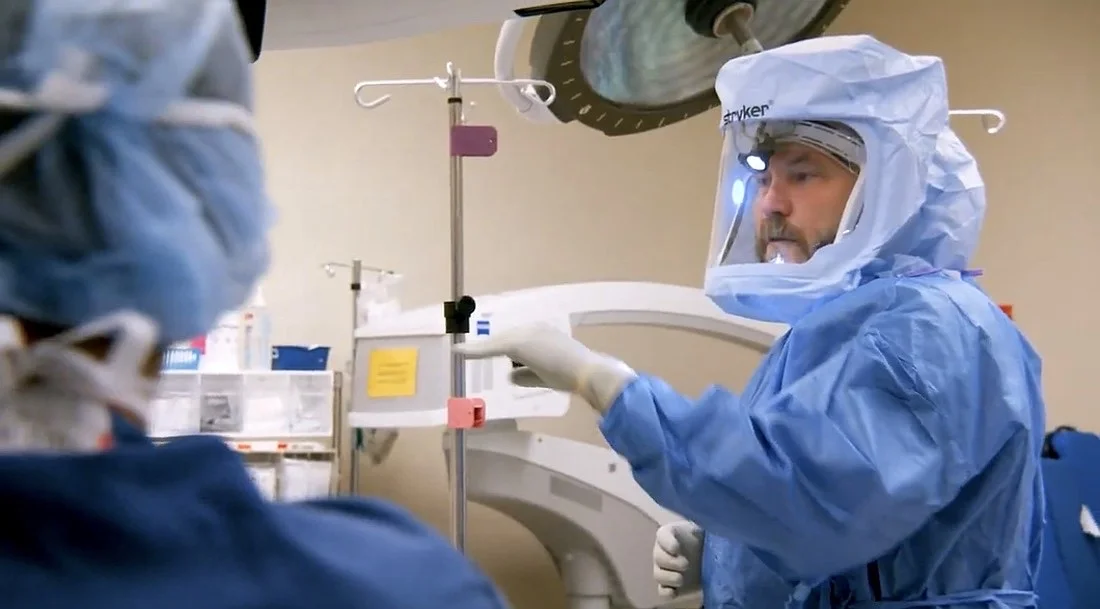
When considering joint replacement, choosing the right surgeon is just as important as understanding the technology. Dr. Stewart has performed thousands of MAKO robotic-assisted joint replacement procedures, bringing extensive hands-on experience to each patient’s surgical care.
His approach combines advanced robotic technology, detailed surgical planning, and an individualized understanding of joint mechanics, alignment, and surrounding soft tissues.
- Thousands of MAKO Robotic-Assisted Joint Replacement Procedures Performed
- Board-Certified Orthopedic Surgeon
- Johns Hopkins Fellowship-Trained Hip and Knee Specialist
- Specialized minimally invasive, muscle-sparing subvastus knee replacement approach
- Anterior muscle-sparing total hip replacement
- iovera° Cryogenic Neurolysis as an option in individualized pain-management planning
The MAKO Advantage
Advanced Technology. Individualized Surgical Planning.
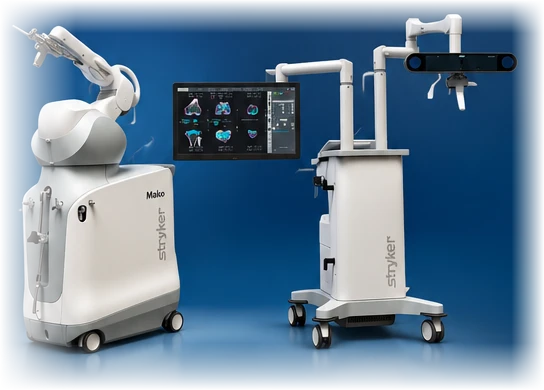
MAKO SmartRobotics™, developed by Stryker, is a robotic-assisted surgical platform designed to support personalized joint replacement. Using CT-based 3D imaging, the technology allows Dr. Stewart to develop a surgical plan based on each patient’s unique anatomy.
During surgery, robotic-arm assistance helps guide bone preparation and implant positioning within planned boundaries. Dr. Stewart remains in control throughout the procedure. The robot does not operate independently.
- Personalized CT-based 3D surgical planning
- Robotic-assisted guidance during bone preparation
- Assistance with implant positioning, alignment, and joint balance
- Individualized planning supported by intraoperative observation and testing
The Subvastus Approach
Preserving Muscle. Prioritizing Movement.
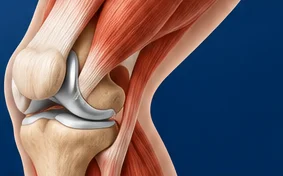
One distinguishing aspect of Dr. Stewart’s knee replacement practice is his use of the minimally invasive, muscle-sparing subvastus approach, a technique designed to preserve the quadriceps tendon and muscle, leaving the extensor mechanism intact.
In a common traditional approach, access to the knee joint involves an incision through the quadriceps tendon. The subvastus technique instead approaches the joint beneath the vastus medialis muscle, minimizing disruption of the quadriceps mechanism.
For appropriately selected patients, this approach may provide benefits in the early stages of recovery, and some evidence supports a more natural-feeling joint even in the long term. Outcomes vary among patients.
The subvastus approach is not suitable for everyone. Dr. Stewart will recommend the technique best suited to each patient’s clinical needs.
- Preservation of the quadriceps tendon and muscle
- Maintaining the extensor mechanism intact
- Potential support for quadriceps function and mobility
- Technique selected according to individual anatomy and surgical needs

Robotic Knee Replacement
A Personalized, Minimally Invasive Approach to Knee Replacement
For patients with advanced knee arthritis or joint damage, MAKO robotic-assisted knee replacement can support detailed preoperative planning and intraoperative guidance. Dr. Stewart combines this technology with careful attention to alignment, stability, and soft tissues, including the minimally invasive subvastus approach when appropriate.
Robotic Hip Replacement & the Anterior Muscle-Sparing Approach
Precision Planning. Muscle-Sparing Technique.
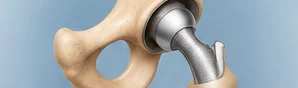
Dr. Stewart offers anterior muscle-sparing total hip replacement, combining an approach that accesses the hip from the front of the body with MAKO robotic-assisted technology for personalized CT-based planning and implant positioning.
The anterior approach works between muscles rather than routinely detaching major muscles to reach the joint. Dr. Stewart is one of very few surgeons who incorporate the anterior muscle-sparing hip approach with robotic-assisted technology. This combination brings together his surgical experience, attention to soft tissues, and robotic guidance for alignment and stability.
Treatment decisions are individualized according to each patient’s anatomy, condition, and goals. Dr. Stewart will discuss the potential benefits, limitations, and alternatives during consultation.

iovera° Cryogenic Neurolysis
iovera° uses controlled cold to temporarily interrupt pain signals in targeted peripheral nerves. Dr. Stewart can discuss whether it may be appropriate as part of a personalized pain-management plan.
Meet Dr. Charles E. Stewart
The Surgeon Behind the Technology
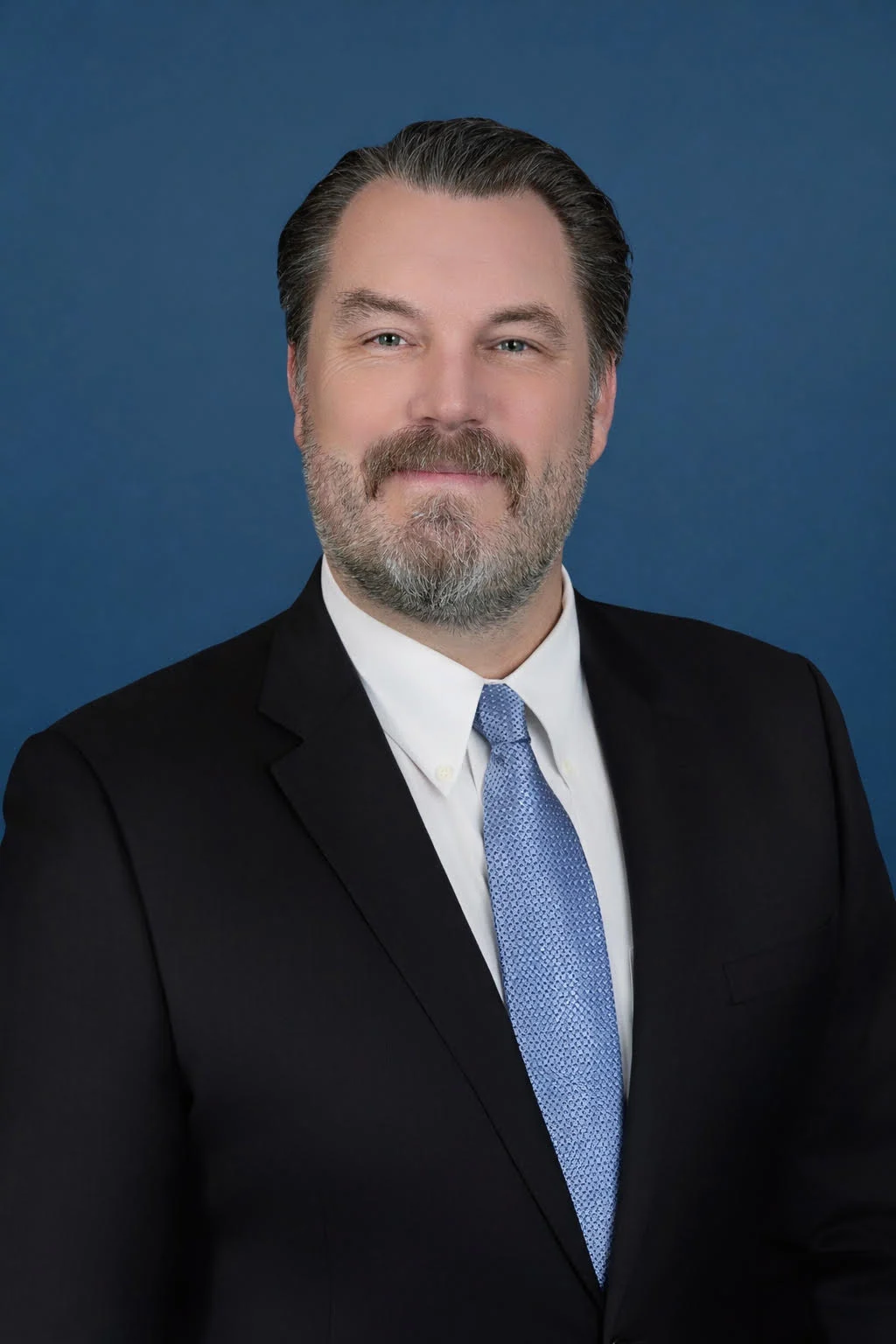
Dr. Charles E. Stewart is a board-certified, fellowship-trained orthopedic surgeon specializing in hip and knee replacement. With thousands of MAKO robotic-assisted procedures performed, he brings extensive experience to the evaluation, planning, and surgical treatment of patients seeking improved joint function.
His philosophy combines advanced technology with individualized care, thoughtful surgical technique, and a commitment to helping patients return to meaningful movement.
Answers to Common Patient Questions
Does the robot perform the surgery?
No. Dr. Stewart performs the surgery and remains in control. MAKO provides planning and robotic-arm guidance to assist the surgeon.
What is the subvastus approach?
It is a minimally invasive, muscle-sparing knee replacement approach designed to preserve the quadriceps tendon and muscle while leaving the extensor mechanism intact.
What is anterior hip replacement?
Anterior hip replacement accesses the hip from the front, using a muscle-sparing interval. Dr. Stewart can discuss whether this approach is appropriate for you.
Is the subvastus approach right for everyone?
No. Suitability depends on anatomy, medical history, and surgical considerations. Dr. Stewart will review the available options during consultation.
Does robotic assistance guarantee a better result?
No surgical technique guarantees a particular outcome. The technology assists in executing a surgical plan, but decision-making remains with the surgeon. Not all robotic surgeries or surgical approaches are equal, and outcomes depend on individual factors.
Am I a candidate for hip or knee replacement?
A consultation, examination, and appropriate imaging can help determine whether surgery or another treatment is suitable.
How long is recovery?
Recovery varies with the procedure, medical history, rehabilitation, and other factors. Dr. Stewart’s team will explain what to expect based on your individual treatment plan.
What is iovera° Cryogenic Neurolysis?
iovera° uses controlled cold to temporarily interrupt pain signals in targeted peripheral nerves. Dr. Stewart can discuss whether it may be appropriate as part of a personalized pain-management plan.
Reclaim Your Movement. Redefine Your Life.
Take the next step toward understanding your joint replacement options. Schedule a consultation with Dr. Charles E. Stewart to discuss your symptoms, goals, and whether robotic-assisted surgery may be appropriate for you.