

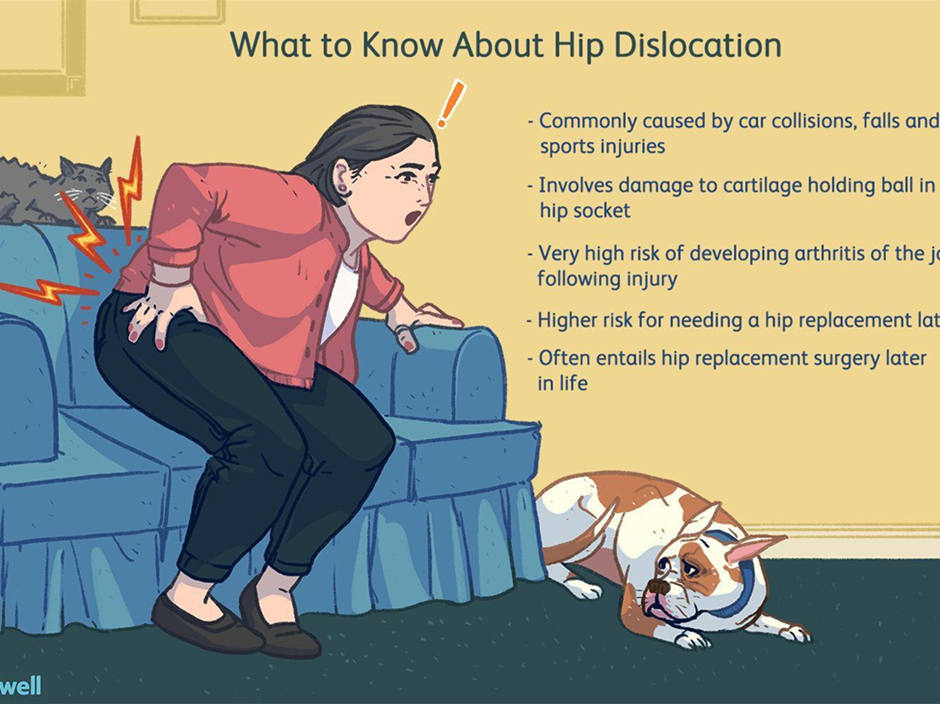
A hip dislocation describes an injury where the ball of your hip joint is forced out of its socket. Hip dislocation is often common when you experience a high-energy impact fall or during an auto collision. It also occurs in the workplace and during different sporting events. Hip dislocation due to sports injury can lead to a broken pelvis or leg.
If left untreated, a dislocated hip can cause serious long-term debilitating problems. This type of injury can worsen if it is not adequately taken care of within a few hours of its occurrence. For that reason, make sure that you are examined by an orthopedic specialist shortly after experiencing a forceful impact that leads to serious pain in the leg, knee, groin or hip. Getting medical attention at the right time can help determine the severity of your hip dislocation.
What is Hip Dislocation after Total Hip Replacement Surgery?
Dislocation of your hip can occur again after undergoing total hip replacement surgery. These incidents of hip replacement dislocations are usually common if patients fail to observe the after-care routine.
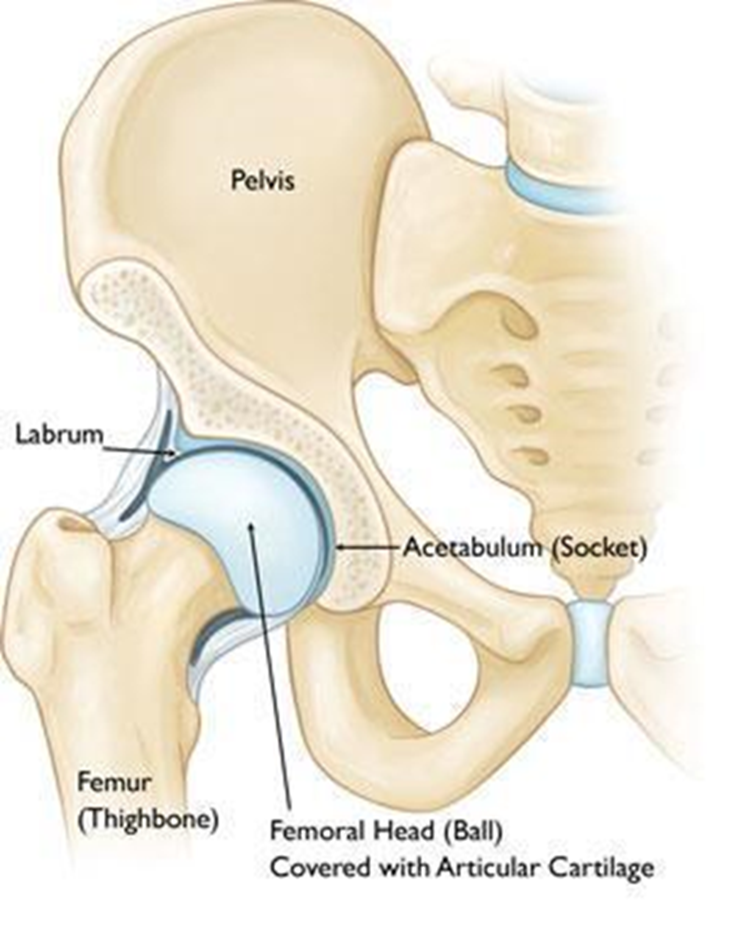
Also, dislocation after hip replacement happens when the affected patients go back to their normal lifestyle sooner than the doctor’s recommended dislocated hip recovery time. Typically, this type of dislocated hip occurs when your femoral head is dislocated from your acetabular socket, causing pain and difficulties in moving around.
Why does Hip Dislocation happen after Total Hip Replacement Surgery?
The ratio of hip dislocation after hip replacement varies from 0.2% to 10% every year. Similar cases are true with artificial hip joint replacement. But the artificial hip joints that are surgically revised have up to a 28% chance of dislocating. However, this observation is based on the patient population, the type of prosthesis used and the follow-up interval.
Advanced age, impaired compliance and accompanying neurologic disease are risk factors associated with hip replacement dislocation. Operation-specific risk factors may include surgical approach (anterior has the lowest dislocation risk), suboptimal implant position, inadequate experience of the orthopedic surgeon and insufficient soft tissue tension.
Causes and Symptoms of Hip Dislocation after Total Hip Replacement Surgery
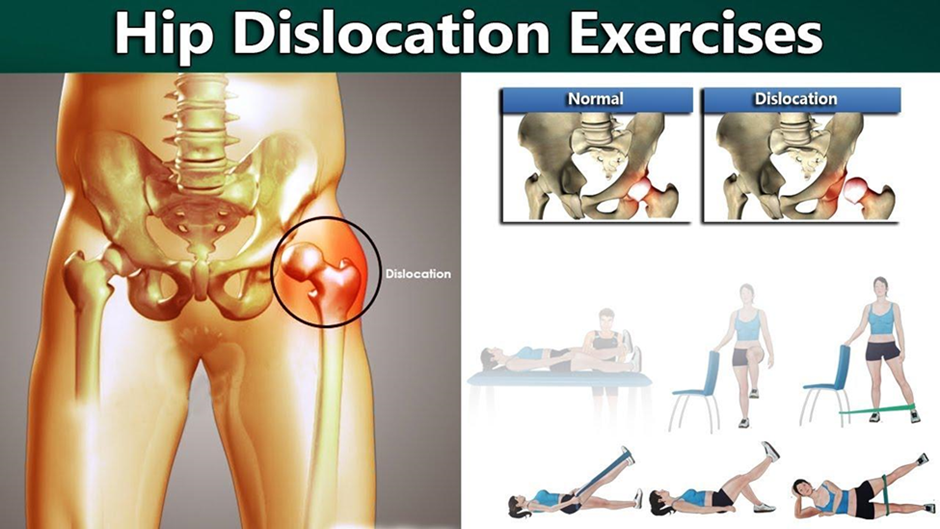
As explained above, hip dislocation after hip replacement happens when the femoral head (the ball joint of the hip) forcefully pops out of its acetabulum or socket. This type of injury is usually a medical emergency and is acutely painful, uncomfortable and disabling.
Here are possible reasons for hip dislocation
- A traumatic injury that pushes your hip out of the socket
- A car crash that takes the hip out of alignment
- A significant fall that weakens your hip joint ligaments
- An industrial workplace injury that causes dislocated hip symptoms
- A sports accident that interferes with your hip alignment
Dislocated hip symptoms to look out for include
- Muscle spasms
- Acute pain
- The affected leg is rotated outward or inward
- Discoloration or swelling around the injured hip joint
- Difficulty moving your leg
- Loss of feeling in your foot or hip
- Inability to bear a substantial amount of weight on your injured leg
- Visible hip misalignment
Besides dislocated hip symptoms, there are potential complications with this form of injury on your hip. Some of the common ones include nerve damage, osteonecrosis and arthritis. Make sure to seek immediate medical intervention to avoid further hip dislocation complications.
Hip Dislocation after Total Hip Replacement Surgery Diagnosis
Once you suspect that you have a hip dislocation after hip replacement, your next step should be to consult your healthcare provider before the situation gets out of hand. Your provider will most likely perform a few diagnostic tests to determine the exact direction of your hip dislocation. The doctor will use an X-ray, MRI, or EMG to assess the damage to your hip joint ligaments, tendons and muscles before devising how to put your hip back in place. After the diagnosis, the next form of action will involve dislocated hip surgery to help you heal and return to your normal lifestyle.
- X-ray: This type of imaging test will show the structure of your hip joint. It will also help your Orthopedic Surgeon determine the exact location of your hip dislocation.
- MRI: Ideal for evaluating cartilage, labrum and femoral bone head vascularity. MRI helps to determine and assess the direction of your hip dislocation, associated fractures and loose bodies. Perfect for both anterior dislocation and posterior dislocation
Hip Dislocation after Total Hip Replacement Surgery Treatment
Hip dislocation treatment can vary from one person to another. Treatment in adults is not the same as treatment in infants, as explained below:
Treatment in Adults
A dislocated hip is a medical emergency. The hip should be put back into place as quickly as possible — ideally within six hours — because delay sharply raises the risk that the ball of the hip loses its blood supply. Most hips can be reduced without an incision, under sedation or general anesthesia. A CT scan is usually performed afterward to confirm the hip is sitting properly and to look for bone fragments or an associated fracture. Surgery is needed when the hip cannot be reduced without an incision, when it does not sit properly afterward, or when there are fragments or fractures to address.
Treatment in Infants
Often, infants are diagnosed with a hip dislocation condition known as hip dysplasia. Kids with hip dysplasia do not require orthopedic surgery to treat their condition. Instead, they may be subjected to bracing, especially if their hip dysplasia is diagnosed early.
Risks after Total Hip Replacement Surgery
Dislocation after total hip replacement surgery is usually associated with frequent admissions to hospitals. This means dislocation after hip replacement causes substantial costs to the existing health system. Therefore, patients who have just undergone dislocation treatment should follow the doctors’ advice during their dislocated hip recovery time. Some of the risk factors to beware of include:
- Comorbidities associated with hip dislocation
- Higher body mass index or BMI
- Advanced old age
- Engaging in vigorous activities during the first few months following your surgery
- Spinal pathology
Prevention after Total Hip Replacement Surgery
Hip dislocation after hip replacement surgery is preventable. Below are simple ways you can prevent hip displacement dislocations:
- Follow common safety guidelines by wearing your seatbelt while driving or in the car or wearing protective gear when taking part in contact sports. Also, take maximum precautions when using workplace equipment or a ladder.
- Turn to physical therapy to prevent dislocating your hips again. Physical therapy is designed primarily to strengthen your hip muscles and tendons. At the same time, physical therapy keeps your hip muscles and tendons conditioned through regular exercises.
- Seek dysplasia care, especially for children/infants with hip dysplasia.
- Use hip implants after receiving your hip replacement treatment.
- Support your body when walking. Hold onto the rails when going up or downstairs.
- Bend slowly at your waist to avoid stretching your hip muscles, hip ligaments, and tendons.
Are You in Need of Hip Dislocation Services Near You?
Find the best and most reliable hip dislocation after a total hip replacement surgery center near you in Sarasota, Florida. Get treated for your hip dislocation after hip replacement by visiting our office. Dr. Charles E. Stewart, will examine you, diagnose your condition and suggest the best orthopedic procedure to have your hip replaced after a dislocation. Schedule your appointment today!
Summary
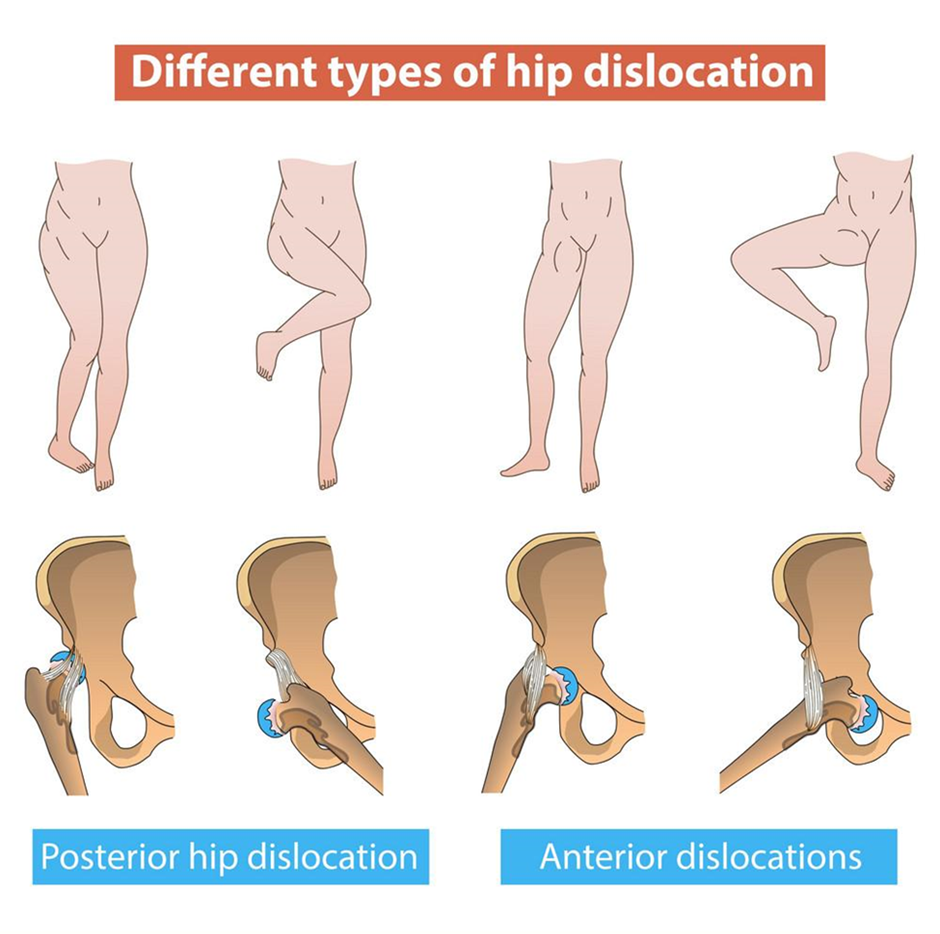
Normally, hip dislocation after hip replacement is classified depending on the direction of your dislocation. In this case, the dislocation injury is based on the position of your dislocated femoral head; posterior or anterior hip dislocation. Both cases are treated using specific medical techniques for reduction. For instance, closed reduction is performed during the initial hip dislocation treatment in an emergency room. For more information on hip dislocation after total hip replacement surgery, contact doctors at Sforzo | Dillingham | Stewart Orthopedics + Sports Medicine today.